AI in customer education platform marketing is everywhere right now: and honestly, it’s getting hard to separate the signal from the noise. Every vendor claims their platform is “AI-powered,” but what does that actually mean for your enterprise training programs? Let’s cut through the hype.
Here’s the deal: as an enterprise buyer, you’re not looking for shiny features to impress your board. You need technology that solves real problems: reducing support tickets, scaling onboarding without burning out your team, and proving ROI to skeptical stakeholders.
So, do you really need AI? The answer isn’t a simple yes or no. It depends on what problems you’re trying to solve and whether the AI features on offer actually address them.
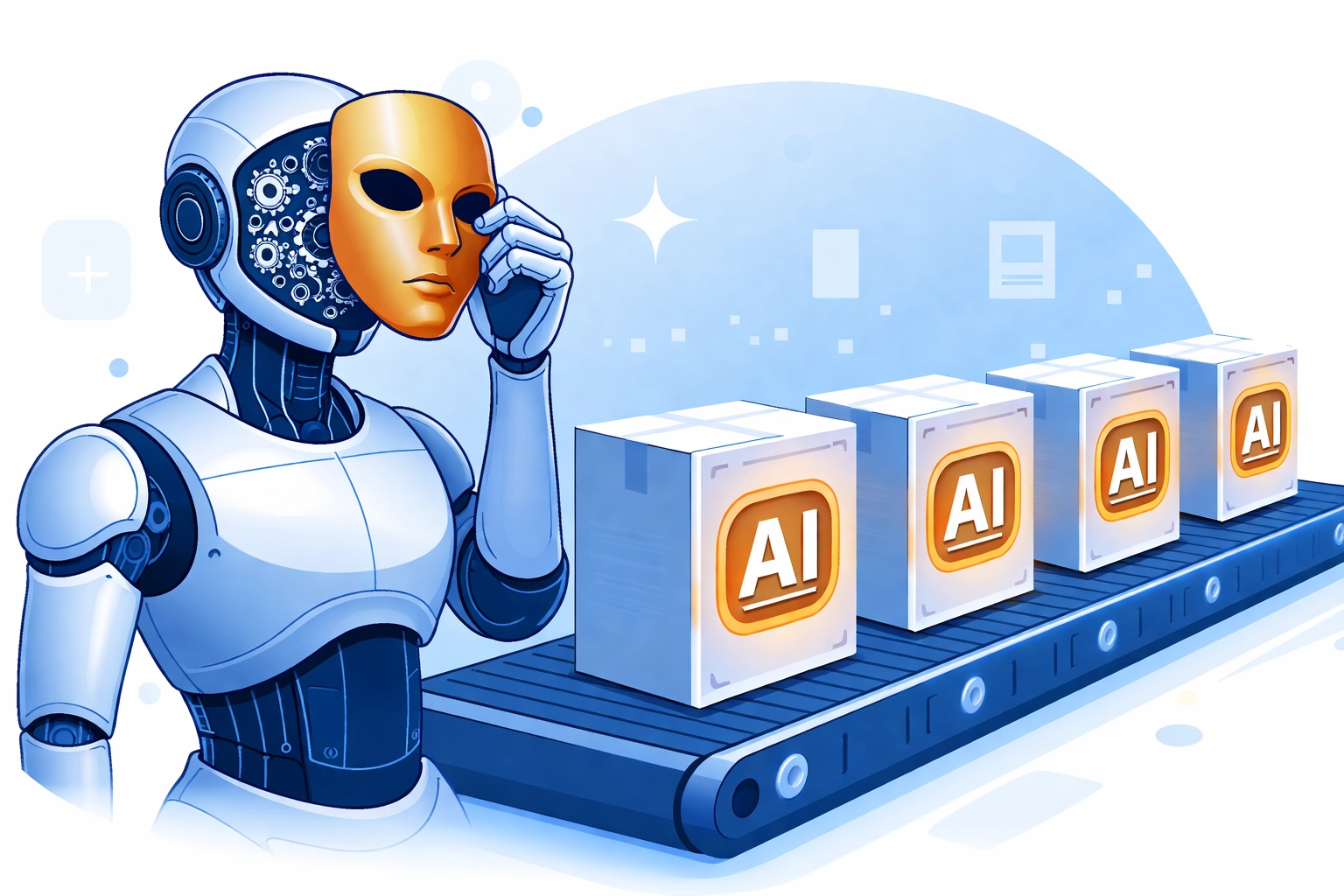
The “AI-Washing” Problem in Customer Education
Let’s be real: the term “AI-powered” has become almost meaningless. Vendors slap it on everything from basic search functions to simple recommendation engines that have existed for decades.
Here’s what AI-washing typically looks like:
- Rebranded automation marketed as “intelligent” features
- Basic keyword matching dressed up as “AI-driven content discovery”
- Simple rule-based systems called “machine learning”
- Chatbots with scripted responses positioned as “AI assistants”
The result? Enterprise buyers end up paying premium prices for features that don’t deliver premium results. And when the AI doesn’t live up to the marketing, customer education programs get blamed for underperforming: when the real culprit was overpromised technology.
Where AI Actually Delivers Value in Your Customer Education Platform
Now for the good news. When implemented properly, AI capabilities can genuinely transform how you educate customers at scale. Here’s where the technology moves from buzzword to business impact:
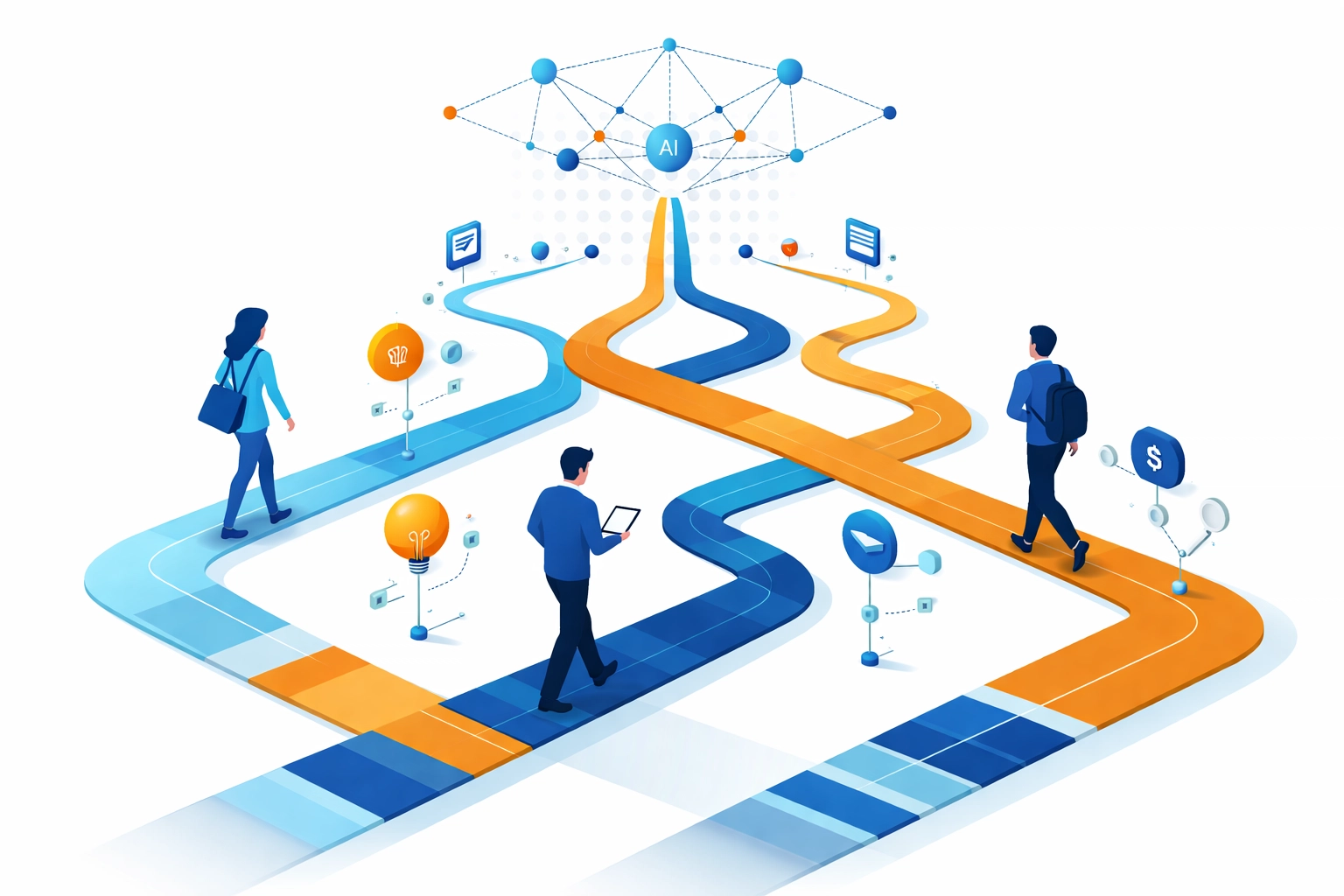
Adaptive Learning Paths That Actually Adapt
This is the gold standard of AI in customer education platform functionality. True adaptive learning analyzes each learner’s performance: their pace, comprehension gaps, and engagement patterns: and adjusts content difficulty and sequencing in real-time.
Why does this matter for enterprise buyers? Because you’re not dealing with a homogeneous user base. Your customers range from tech-savvy power users to complete beginners. Adaptive AI means both segments get exactly what they need without your team manually creating dozens of learning tracks.
The result: substantial performance improvements and faster time-to-value for your customers.
Automated Content Tagging and Organization
Here’s the thing about enterprise customer education: content sprawl is real. You’ve got product documentation, training modules, help articles, and video tutorials scattered across systems (hello, endless content audits).
AI-powered content tagging automatically categorizes and connects related materials, making your content ecosystem actually navigable. This isn’t glamorous, but it’s incredibly practical: especially when you’re managing training across multiple products or regions.
Personalization at Scale Without the Headcount
Traditional personalization requires either:
- A massive L&D team manually curating experiences, or
- Generic one-size-fits-all content that frustrates everyone
AI changes this equation. Modern platforms can deliver individualized learning experiences to thousands of users simultaneously, adjusting content format, difficulty, and recommendations based on behavior patterns.
For enterprise operations, this means scaling your customer education program doesn’t require linear headcount growth. Whether you’re onboarding 100 customers or 10,000, the AI handles the heavy lifting.
Data-Driven ROI Measurement
Let’s talk about proving value: because we know enterprise L&D leaders constantly face questions about training investments.
AI-powered analytics go beyond completion rates. They can correlate training engagement with business outcomes: reduced support tickets, faster product adoption, increased customer retention, even revenue impact from partner training programs.
This shifts customer education from “nice-to-have cost center” to “strategic business driver with measurable returns.” And that’s a conversation every enterprise buyer wants to have with their CFO.
Smart Questions to Ask Vendors About AI Capabilities
Before you sign that enterprise contract, here’s your due diligence checklist:
On Adaptive Learning:
- How does the system determine when to adjust a learning path?
- Can I see the algorithm’s decision logic, or is it a black box?
- What data points inform the adaptation?
On Automation:
- What specific tasks does the AI automate versus require manual input?
- How much setup and training does the AI need before it’s useful?
- What happens when the AI gets it wrong: how do we correct it?
On Analytics:
- Can your AI correlate learning data with our business systems (CRM, support tickets)?
- How do you measure and prove training ROI?
- What’s the implementation timeline for full analytics capabilities?
On Content:
- How does AI-powered content generation work, and what quality controls exist?
- Can the system maintain our brand voice and terminology?
- Who owns the AI-generated content?
If vendors get defensive or vague on these questions, that’s your red flag.
When You Might NOT Need AI in Your Platform
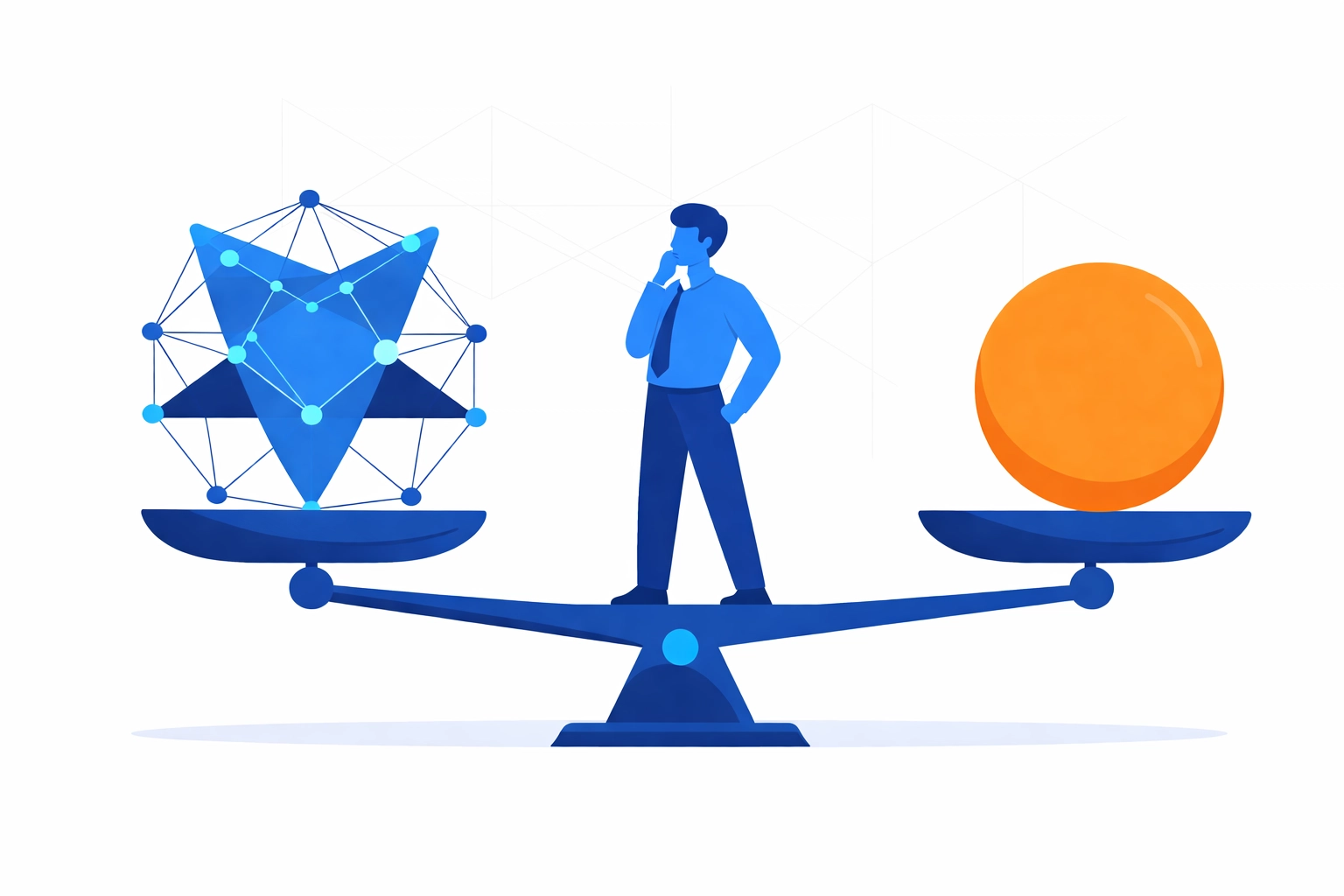
Here’s the reality check most vendors won’t give you: AI isn’t always the answer.
You might not need AI-powered features if:
- Your customer base is small and homogeneous (under 500 active learners)
- Your product is simple with a straightforward learning curve
- You have a dedicated team that can handle personalization manually
- Your budget is tight and simpler solutions would suffice
- You’re just starting your customer education program and need basics first
Don’t feel pressured to adopt AI because everyone else is talking about it. Start with solid instructional design fundamentals and a clear customer education strategy before layering on advanced technology.
The Bottom Line: AI as a Strategic Tool, Not a Magic Bullet
AI in customer education platform technology can deliver genuine enterprise value: but only when it solves actual problems rather than creating impressive demos.
Focus on capabilities that matter: adaptive learning that reduces time-to-competency, automation that frees your team for strategic work, personalization that scales without proportional cost increases, and analytics that prove ROI.
The enterprises winning at customer education in 2026 aren’t necessarily the ones with the most AI features. They’re the ones asking the right questions and matching technology capabilities to real business needs.
Ready to build a customer education program that actually delivers results? Whether you need help evaluating platforms or designing training that drives adoption, let’s talk strategy. We’ll help you cut through the AI hype and focus on what actually moves the needle for your enterprise.
Related Reading:
- Does Customer Education Really Drive Revenue in 2026?
- Enterprise Onboarding: Personalize Customer Education Without Burning Out Your Team