Deciding between different instructional design models like ADDIE and SAM isn’t just an academic debate—it’s the difference between training that keeps pace with your SaaS roadmap and training that falls behind.
ADDIE has been the gold standard since the 1970s for a reason: it’s disciplined, structured, and dependable among instructional design models. But here’s the thing—SaaS moves fast. So the real question isn’t “ADDIE or SAM forever?” It’s: what’s the right instructional design model for the right job?

ADDIE vs Sam Instructional Design Models
1) ADDIE’s Golden Age: A Classic of Instructional Design Models
ADDIE emerged in the 1970s (famously used across government and military contexts), and it earned its reputation the honest way: by being consistent, repeatable, and rigorous.
For decades, ADDIE was the model—the one teams relied on when training needed to be correct, auditable, and aligned across big stakeholder groups. And yes, it still shines in the right situations.
2) Why ADDIE Still Rules Instructional Design Models for Compliance
Here’s the deal: ADDIE is excellent when stability matters more than speed.
- Disciplined and structured: A clear sequence that reduces chaos (especially when multiple SMEs are involved).
- A roadmap for large teams: Helpful when you’ve got reviewers, approvers, and governance layers (we see you!).
- Perfect for high-stakes/compliance: When requirements can’t be fuzzy—think safety, regulatory, legal, finance, and anything that needs strong documentation and sign-offs.
So no, ADDIE isn’t “bad.” It’s a stability-first model.
3) SaaS Reality Check: When Instructional Design Models Must Move Fast
Now let’s talk about the real world in 2026: SaaS releases every two weeks (or daily, if you’re living that continuous deployment life).
What happens when training follows a traditional linear cycle while the product ships updates nonstop?
- Feedback arrives late: You often learn what’s wrong after you’ve already built a ton of content.
- Pivots get expensive: Mid-build changes can feel like pulling the emergency brake.
- Training lags behind the roadmap: Product sprinting forward, enablement catching up (think Netflix binge… but not in a good way).
That’s not a knock on ADDIE—it’s just a mismatch between a stability-first model and a speed-first product reality.
4) Why SaaS Teams Need Agile Instructional Design Models (SAM)
The Successive Approximation Model (SAM), developed by Dr. Michael Allen, is essentially the Agile-minded evolution many SaaS training teams need. Among modern instructional design models, SAM is built for iteration, rapid prototyping, and frequent feedback, rather than betting everything on perfection up front.
Think of SAM like Agile for learning design: build small, test fast, learn quickly, improve continuously—exactly what fast-moving instructional design models for SaaS training should support.
How SAM Actually Works (In Real Life)
SAM typically runs in three iterative phases:
1) Preparation Phase (Savvy Start)
This is a collaborative working session (not a giant requirements doc). You pull in the right people—product, customer success, SMEs, and instructional design—and align quickly on:
- Must-hit learning outcomes
- Content approach and scope
- Success metrics (what “good” looks like)
2) Iterative Design (Prototype + Feedback)
You create a prototype and test it early with real users. That prototype could be:
- A clickable wireframe of a learning path
- A rough draft of the first module
- A sample scenario or interaction
You review, refine, repeat. The point is simple: validate before you fully build.
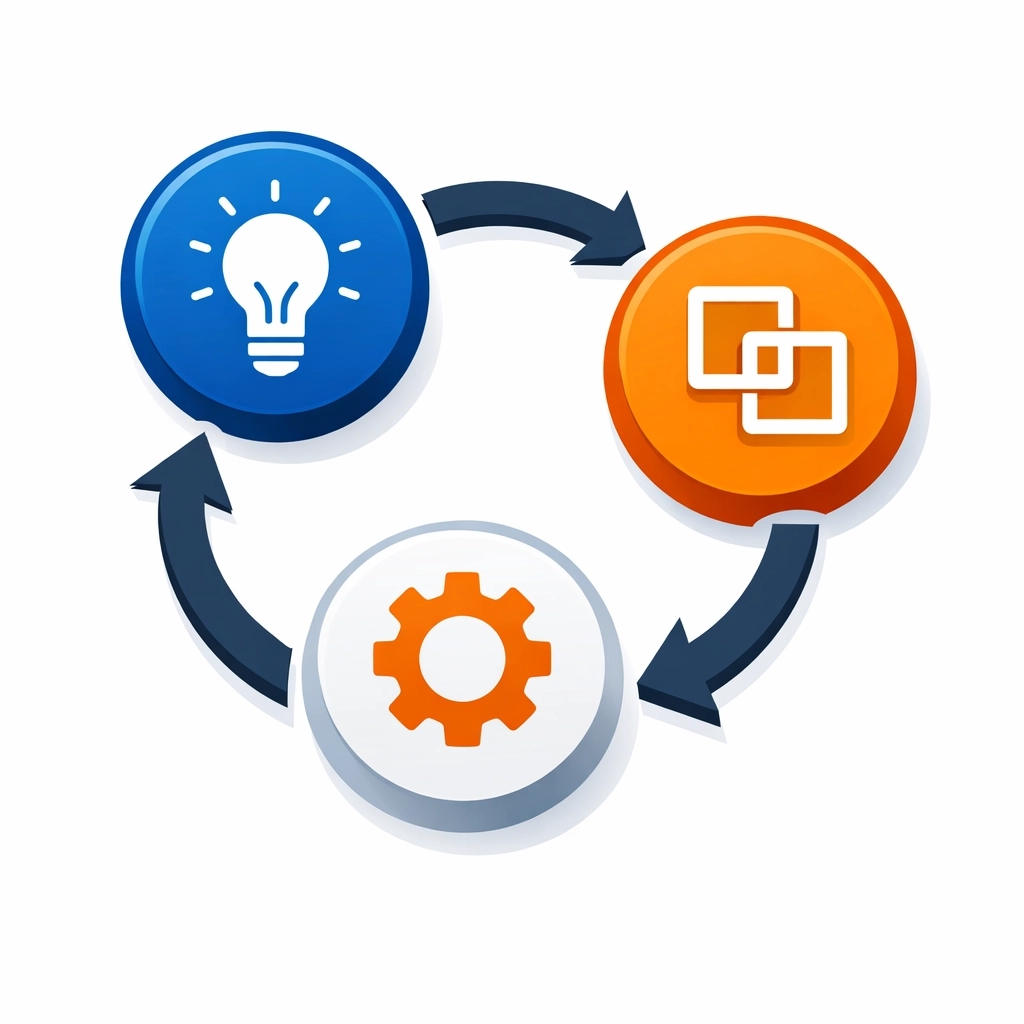
3) Iterative Development (Build in Chunks)
Once the approach is validated, you develop it in small releases. You still test, adjust, and keep stakeholders close, so you’re never too far from something usable.
The beauty of SAM for SaaS? You’re always within a sprint or two of shippable training.
Why SaaS Companies Switch Instructional Design Models to SAM
We’ve been building custom eLearning solutions for over 13 years at Check N Click, and we’ve watched the shift happen in real time. SaaS companies, especially high-growth B2B enterprises, can’t afford the rigidity of ADDIE anymore.
Here’s what SAM enables that ADDIE doesn’t:
Rapid Stakeholder Alignment
In the Preparation Phase, you get everyone in the same room (literally or virtually) and hash out priorities fast. No endless email chains. No requirement docs that sit in Google Drive for weeks. You align, prototype, and test: all within the first sprint.
This is critical when you’re dealing with complex products and multiple stakeholders who all have opinions about what “good training” looks like.
Continuous Validation
With SAM, you test prototypes with actual users before investing in full development. This means you catch misalignments early when they’re cheap to fix.
Compare that to ADDIE, where you might spend three months building a course only to discover (during Implementation) that learners are confused by the navigation or the scenarios don’t match their real-world workflows.
Flexibility for Fast-Moving Products
Your product roadmap isn’t static, so why should your training be? SAM’s iterative cycles let you adapt as your product evolves. New feature dropping next sprint? You adjust your training prototype accordingly. Customer feedback reveals a new pain point? You pivot your learning objectives.
Faster Time-to-Value
Because SAM gets you to usable training content faster, your customers start benefiting sooner. Instead of waiting six months for the “perfect” onboarding academy, you can launch a solid V1 in weeks and refine it based on real usage data.

5) Choosing Instructional Design Models: ADDIE Stability vs SAM Speed
Let’s face it: you don’t need to “pick a side.” You need to pick what fits your training reality.
Choose ADDIE when you need stability and compliance
Go ADDIE-first when:
- You’re building high-stakes compliance or regulated training
- Requirements are locked (and changes are rare)
- You need a clear documentation trail and structured approvals
- Multiple teams need a shared, predictable roadmap
Choose SAM when you need speed for SaaS
Go SAM-first when:
- Your product updates every sprint (or every week… no judgment)
- Learning needs are evolving and you need to reduce rework
- You want fast validation through prototypes
- Time-to-value matters more than a “big bang” launch
| Scenario | ADDIE (Stability) | SAM (Speed) |
|---|---|---|
| High-stakes compliance | ✅ Ideal | ⚠️ Possible, but requires tight governance |
| Big teams + heavy approvals | ✅ Predictable | ✅ Works well with strong facilitation |
| Rapid product releases | ⚠️ Can lag without iteration | ✅ Built for it |
| Uncertain requirements | ⚠️ Harder upfront | ✅ Designed to refine continuously |
| Need to ship a V1 fast | ❌ Usually slower | ✅ Strong fit |
Want a deeper ADDIE refresher? Here’s our guide: interactive ADDIE for instructional design.
And if you’re leaning iterative, this is the SAM deep dive: SAM: the Successive Approximations Model.
6) Check N Click’s Expertise Across Instructional Design Models
Over the past 13+ years, we’ve helped global enterprises and SaaS teams build training using both ADDIE and SAM—because real training ecosystems usually need both: stable governance where it matters, and speed where it counts.
From customer education to internal enablement and partner training, we match the model to your constraints, timelines, and risk level (right tool, right job).
How We Use SAM at Check N Click
Over the past 13+ years, we’ve refined our SAM process to fit the unique needs of customer education programs. Here’s what that looks like in practice:
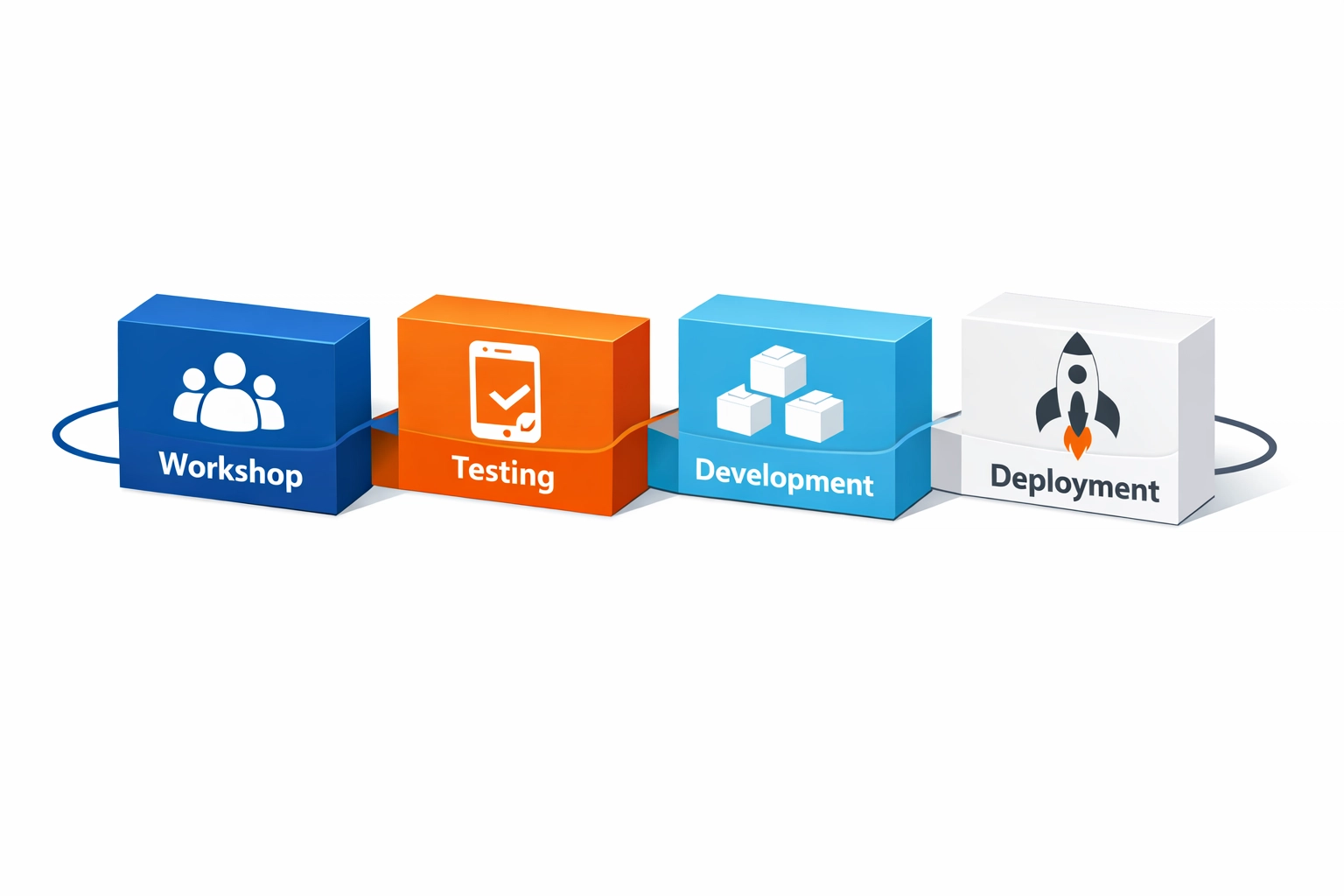
Week 1: Savvy Start Workshop
We run a collaborative session with your team to define success metrics, prioritize learning objectives, and sketch out a high-level content roadmap. We leave with a shared vision and a prototype outline.
Weeks 2-3: Prototype & Test
We build a clickable prototype of your first training module: could be a product walkthrough, a scenario-based exercise, or an interactive demo. We test it with a small group of your actual users and gather feedback.
Weeks 4-6: Iterative Development
We build the full training experience in chunks, testing each piece as we go. You’re reviewing real content early, which means you can course-correct before we’ve invested weeks into the wrong approach.
Week 7+: Launch & Refine
We deploy the training and monitor engagement metrics. Based on real-world usage data, we refine and optimize. This isn’t a “set it and forget it” model: it’s continuous improvement.
Want to see how SAM works in practice? Check out our SAM resource guide for a deeper dive into the methodology.
Making the Switch: Updating Instructional Design Models Without Chaos
If you’ve been using ADDIE (or no formal instructional design model at all), transitioning to SAM requires a mindset shift:
- Embrace “good enough” over “perfect”: SAM prioritizes speed and iteration over exhaustive upfront planning. This can feel uncomfortable at first, but it’s how you stay agile.
- Involve stakeholders early and often: SAM works best when product managers, customer success, and subject matter experts actively collaborate, not just review finished drafts.
- Expect to iterate: You’re supposed to refine based on feedback. That’s not a failure of planning; it’s the whole point.
- Measure and adapt: Unlike ADDIE’s final Evaluation phase, SAM builds feedback loops into every stage. You’re constantly learning what works and what doesn’t.
The Bottom Line on Instructional Design Models for SaaS Training
Here’s the reality: If you’re building training for a SaaS product, you need an instructional design model that moves at the speed of your business. ADDIE might have worked in the 1970s (or even the early 2000s), but in 2026, it’s a bottleneck.
SAM gives you the flexibility, speed, and continuous improvement that modern custom eLearning development demands. It aligns with how your product team already works, which means your training can finally keep pace with your roadmap.
At Check N Click, we’ve spent over a decade helping global enterprises and high-growth SaaS companies build training programs that actually scale. Whether you’re launching your first customer academy or overhauling an existing program, we can help you make the switch to SAM: and build training that drives real business outcomes.
**Ready to modernize your training without throwing away what works? Explore our full SAM methodology guide, revisit our interactive ADDIE guide, or reach out to our team to talk through your best-fit approach. Let’s build training that’s stable when it needs to be—and fast when it has to be.