Effective customer training programs have evolved from simple PDF guides into high-tech engines that power customer success and retention in 2026.
Let’s be real: if you’re still relying on a static “Knowledge Base” and hoping your users will just “figure it out,” you’re essentially playing a high-stakes game of chicken with your churn rate (and spoiler alert: the churn usually wins).
The landscape of Customer Education (CE) has shifted. We’ve moved past the era of generic webinars and entered the age of hyper-personalization, AI-driven automation, and modular design. In this guide, we’re going to break down how to build a program that doesn’t just “teach” but actually transforms your users into power-user advocates.
Why Customer Training Programs Fail in 2026
Here’s the thing: most programs fail because they are treated as an afterthought. You know the drill, the product launches, everyone celebrates, and then someone realizes, “Wait, how do people actually use this thing?” (hello, endless Zendesk tickets!).
In 2026, the “content janitor” approach, constantly cleaning up outdated documentation, is dead. If your training isn’t keeping pace with your UI updates, your customers are essentially flying blind. What’s the real impact? Low feature adoption, high support costs, and a “cancel” button that looks increasingly tempting to your subscribers.
To succeed, you need to stop thinking about training as a series of lessons and start thinking about it as a strategic customer education instructional design process.
The AI Revolution: Automating Customer Training Programs
Let’s talk about the elephant in the room: AI. By now, we all know AI can write a decent email, but in the context of customer training programs, its real power lies in automation and scale.
In 2026, leading companies are using AI to:
- Auto-Update Content: When your Dev team changes a UI element, AI agents can flag every video and tutorial that needs an update. No more manual audits!
- Personalized Learning Paths: Instead of a one-size-fits-all “Onboarding 101,” AI analyzes a user’s behavior within the app. If they haven’t touched the reporting dashboard, the LMS nudges them with a 2-minute “Reporting for Pros” module.
- Instant Localization: Translating your entire academy into 12 languages used to take months. Now? It takes an afternoon (and the voiceovers actually sound human).
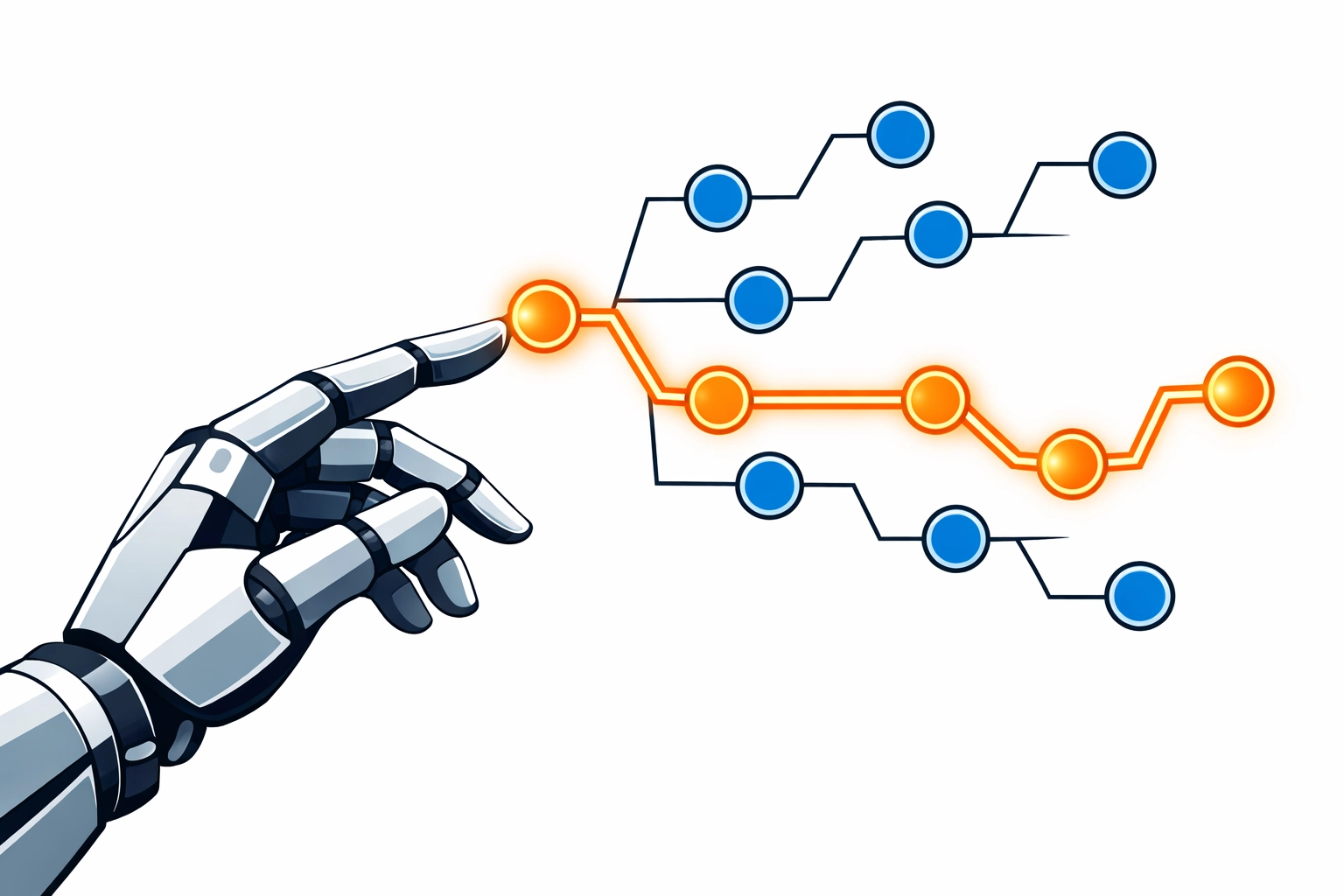
Alt text: AI-driven automation for customer training programs showing personalized learning paths
Modular Design in Customer Training Programs
Let’s face it, nobody wants to sit through a 45-minute video on “General Settings.” (Think Netflix binge, but not in a good way). The most successful programs in 2026 are built on Modular Design.
Think of your training like LEGO bricks. Each module should be a self-contained unit of value.
- Videos: Keep them between 3 to 7 minutes.
- Courses: Aim for 15 to 30 minutes total.
- Certifications: These should be achievable in under 2 hours.
This modularity isn’t just for the learner’s benefit; it’s for yours, too. If a single feature changes, you only have to swap out one “brick” rather than re-recording a two-hour masterclass. This is where mastering customer education truly pays off, it makes your content evergreen and easy to maintain.
Engagement Tactics for Customer Training Programs
How do you keep people coming back? (And no, I don’t mean the “skip” button). 2026 is all about the “Flow of Work.” Training shouldn’t feel like a destination; it should be an integrated part of the product experience.
Gamification & Community
We’re not just talking about “gold stars” and meaningless badges. We’re talking about real social proof.
- Digital Certifications: Integrate with LinkedIn so users can flaunt their skills. It’s free marketing for you and a career boost for them.
- Peer-to-Peer Learning: Create forums where users can solve each other’s problems. (We see you, community managers!).
- Usage-Based Rewards: “Congrats! You just sent your 1,000th invoice. Here’s a ‘Finance Guru’ badge and a 10% discount on your next month.”
Personalization: “Customers Like You…”
Borrow a page from Amazon and Netflix. If a Marketing Manager logs in, they shouldn’t see developer documentation. Your customer training programs should offer role-based recommendations that feel intuitive.
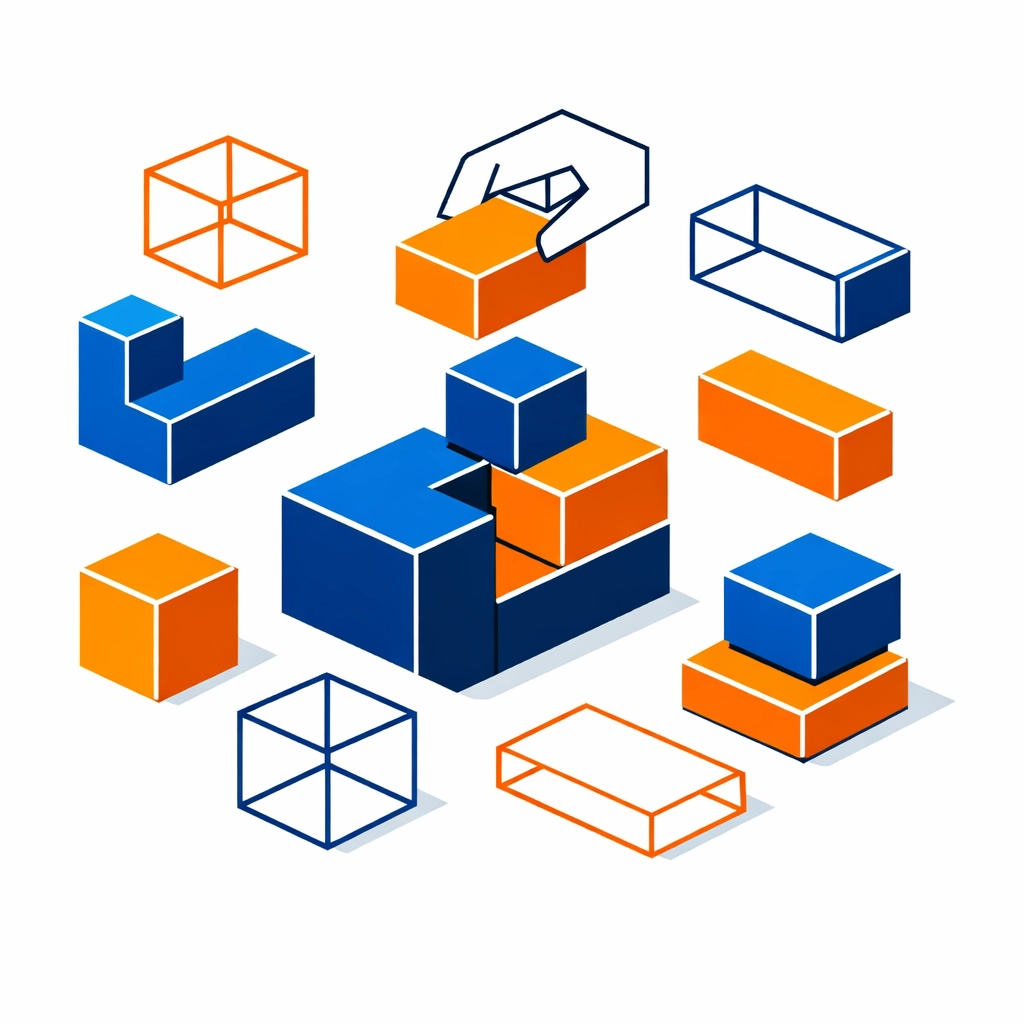
Alt text: Modular content structure for customer training programs displaying bite-sized learning blocks
Measuring ROI in Customer Training Programs: Show Me the Money
Let’s be honest: at some point, your CFO is going to ask, “Why are we spending so much on an Academy?” You need to be ready with more than just “completion rates.” Completion rates are a vanity metric: they don’t pay the bills.
In 2026, we measure success through:
- Support Ticket Deflection: Did the users who took the “Advanced Workflows” course submit 40% fewer tickets? (That’s a win!).
- Time to Value (TTV): How quickly does a new user reach their “Aha!” moment?
- Expansion Revenue: Trained customers are 2x more likely to upgrade to a premium tier because they actually understand the value of the features they’re paying for.
If you’re struggling to crunch the numbers, check out our ROI calculator for training investment. It takes the guesswork out of the equation and gives you the hard data you need to justify your budget.
Real-World Results: The Proof is in the Pudding
Don’t just take our word for it. Look at the data from companies that have overhauled their customer training programs recently:
- SaaS Project Management Tool: They saw a 210% ROI after launching a certification path that led to an 18% increase in feature adoption.
- IoT Hardware Company: By moving to a self-service eLearning model, they reduced support tickets by 65%.
- B2B Marketing Platform: They generated $150k in pure revenue just from selling “Expert Level” paid certifications.
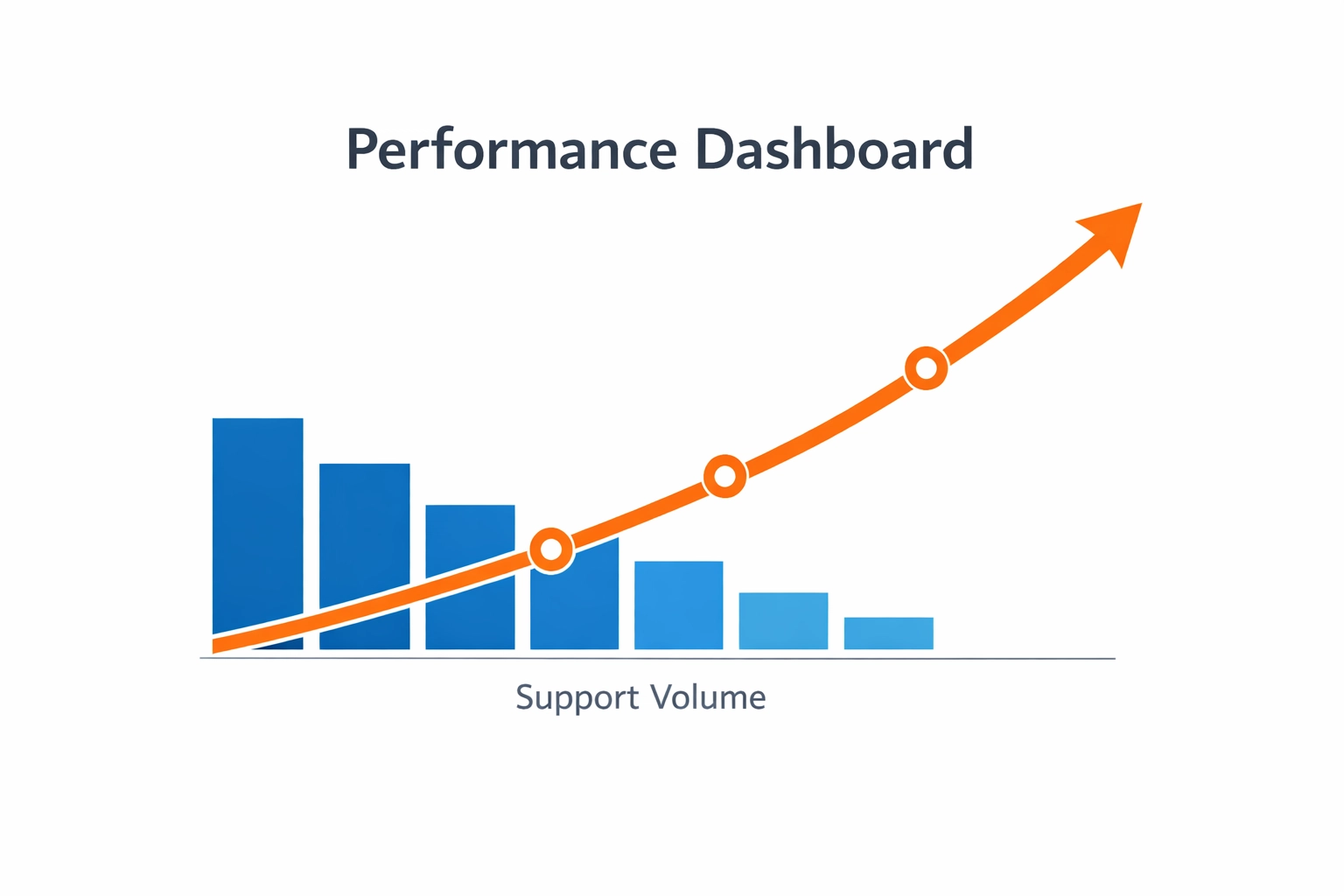
Alt text: Measuring ROI for customer training programs with a dashboard showing support ticket reduction
Building Your 2026 Roadmap for Customer Training Programs
So, where do you start? Don’t try to boil the ocean on day one. (We’ve all been there, and it’s exhausting).
- Audit Your Mess: Look at your existing documentation. What’s outdated? What’s actually being used?
- Map the Journey: Identify the “Aha!” moments in your customer lifecycle. Training should be timed to hit right before those moments.
- Choose Your Tech: You need a scalable LMS that supports AI integrations and modular content.
- Beta Test: Launch a small certification for your most loyal power users. Get their feedback before rolling it out to the masses.
Remember, building the complete guide to customer education for your own brand is an iterative process. It’s better to have three great, updated modules than fifty outdated ones.
Final Thoughts: The Competitive Edge of Customer Training Programs
Here’s the reality: in a world where every SaaS product looks and feels similar, your customer training programs are your secret weapon for differentiation. It’s not just about teaching buttons; it’s about teaching success.
When your customers feel empowered, they stay. When they stay, you grow. It’s a simple formula, but it requires a strategic partner who understands the nuances of instructional design and EdTech.
At Check N Click, we live and breathe this stuff. Whether you’re looking to integrate AI into your workflow or design a certification path that actually means something, we’re here to help.
Ready to level up? You can book time with Lokesh to brainstorm your 2026 training strategy or dive deeper into our custom eLearning development services. Let’s stop managing content and start driving growth.

Alt text: Digital certification badges for customer training programs showing user achievement
Start with one module. Track one metric. Don’t feel pressured to automate everything overnight: focus on the modules that deflect the most support tickets first. Your future self (and your support team) will thank you!