Let’s be real, effective customer education and custom eLearning development are the secret sauce to product adoption and long-term retention. But here’s the deal: most companies are still treating their users like they’re back in a 1990s corporate orientation. You know the vibe, static PDF manuals, 40-minute unskippable “walkthrough” videos, and a top-down approach that screams, “We know what’s best for you, now sit down and learn.”
(Spoiler alert: they won’t.)
In his book Workplace Learning, Nigel Paine highlights a staggering statistic: only one-third of employees are actually engaged at work. If we apply that same lens to your user base, it means 66% of your customers are potentially struggling, unmotivated, or just plain bored with your product. They aren’t finding the meaning or the “aha!” moment that justifies their subscription.
If you want to move the needle on churn, you have to ditch the “command-and-control” model. It’s time to embrace a modernized approach to custom eLearning development that prioritizes connection over compliance.
The Failure of Command-and-Control in Customer Education
Historically, training has been a hierarchy. The “experts” dish out knowledge on a need-to-know basis (hello, endless support tickets!). This is the command-and-control model, and in today’s fast-paced digital world, it’s a total dud.
Why? Because it assumes your customers are passive recipients of information. It treats learning like a checkbox rather than a journey. When you rely on rigid, linear training modules, you’re essentially telling your users to “just follow the steps.” But when they hit a real-world problem that isn’t in your manual? They get frustrated and leave.
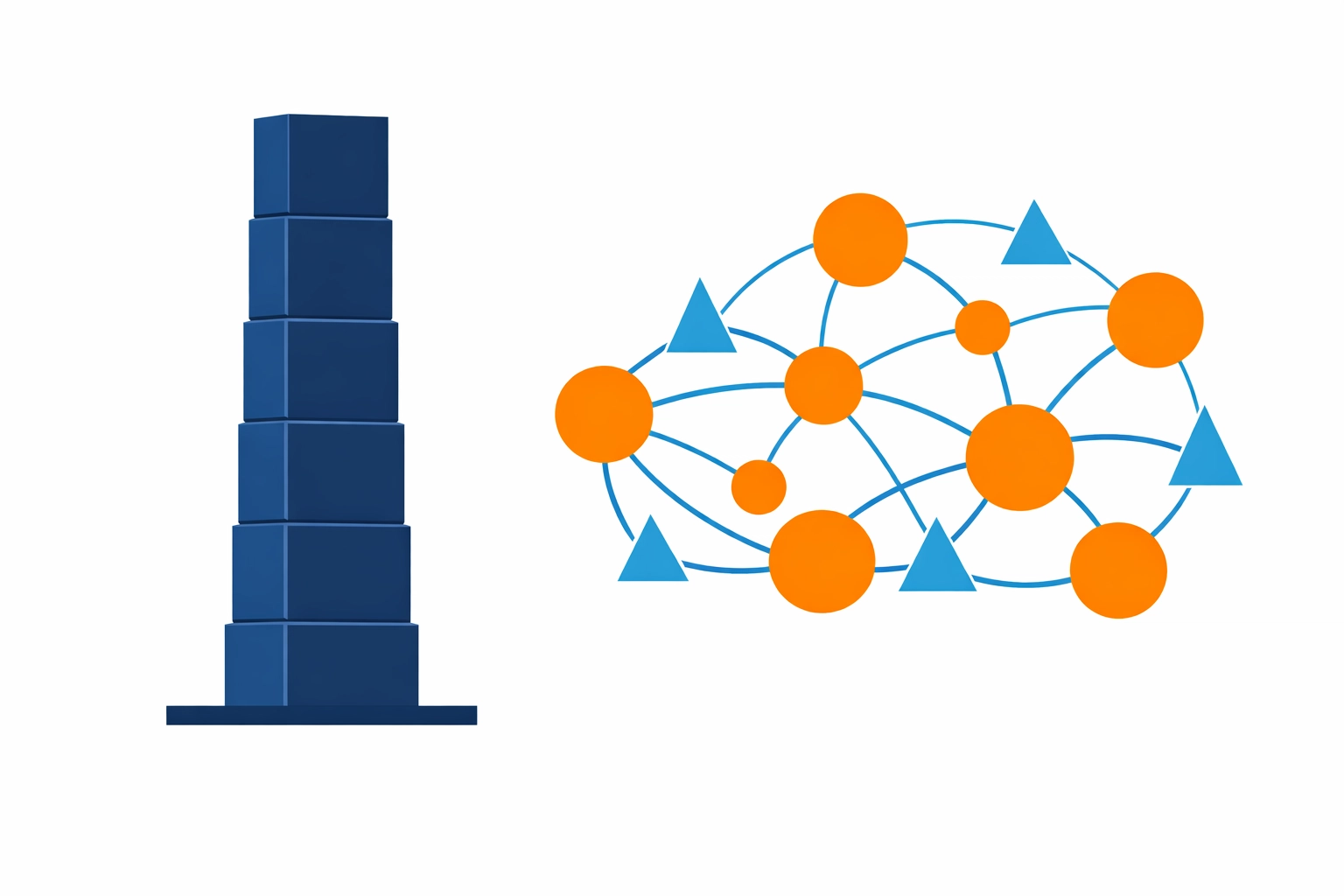
Alt text: A comparison of rigid command-and-control training versus agile customer education for custom eLearning development.
Modern customer education requires agility. The world is too complex for a “one-size-fits-all” document. Think about it: how often do you actually read a 50-page user guide? (We see you, hitting ‘Close’ on that pop-up!) Instead of forcing users through a funnel, your custom eLearning development should focus on empowering them to solve their own problems in real-time.
Why Custom eLearning Development is Like a Brain Synapse
Nigel Paine uses a brilliant analogy for learning: the human brain. Your brain has about 100 billion neurons, but the neurons themselves aren’t where the magic happens. It’s the synapses: the connections between them: that create intelligence.
As the scientist Donald Hebb famously said, “cells that wire together, fire together.”
Your customer education strategy should work exactly the same way. The “intelligence” of your product doesn’t live solely in your dev team’s heads or in a static knowledge base. It emerges in the space between your user and your interface.
When you invest in mastering customer education, you aren’t just dumping info; you are building connections. Every interactive module, every branching scenario, and every microlearning nugget acts as a synapse. The denser those connections, the higher the “product IQ” of your customer becomes.
Custom eLearning development isn’t about building a library of facts; it’s about building a web of capabilities. You want your users to “wire and fire” alongside your software.
Lessons from the Giants: Modernizing Customer Education
You don’t have to take our word for it. Look at how some of the most successful organizations on the planet have shifted their culture from “knowing it all” to “learning it all.”
Microsoft: From Know-it-All to Customer Education Champions
When Satya Nadella took over as CEO of Microsoft, he inherited a company of incredibly smart people who often thought their view was the only one that mattered. (Sound familiar?) This “know-it-all” culture was stifling innovation and alienating customers.
Nadella shifted the focus to empathy and curiosity. He realized that to build products people actually wanted, the company had to stop giving orders and start asking questions. This is a massive lesson for anyone involved in customer education instructional design.
Are you teaching your customers what you think is important, or are you listening to what they actually need to achieve? By pivoting your custom eLearning development toward solving user frustrations rather than just showcasing features, you mirror the growth mindset that brought Microsoft back to the top of the food chain.
WD-40: Creating “Learning Moments”
The WD-40 Company is famous for its “learning-obsessed” culture. CEO Garry Ridge implemented a policy where there are no “mistakes,” only “learning moments.” Employees are encouraged to share what went wrong and what they learned from it, without fear of punishment.
How does this apply to customer education?
Most training tries to hide the friction points of a product. We act like everything is seamless. But here’s a reality check: your users will run into walls. Instead of pretending those walls don’t exist, use your custom eLearning development to address them head-on.
Create “learning moments” within your platform. If a user fails a task, don’t just give them an error message. Provide a micro-module that explains why it happened and how to fix it. This transparency builds trust and keeps the user engaged instead of feeling like they’ve failed.
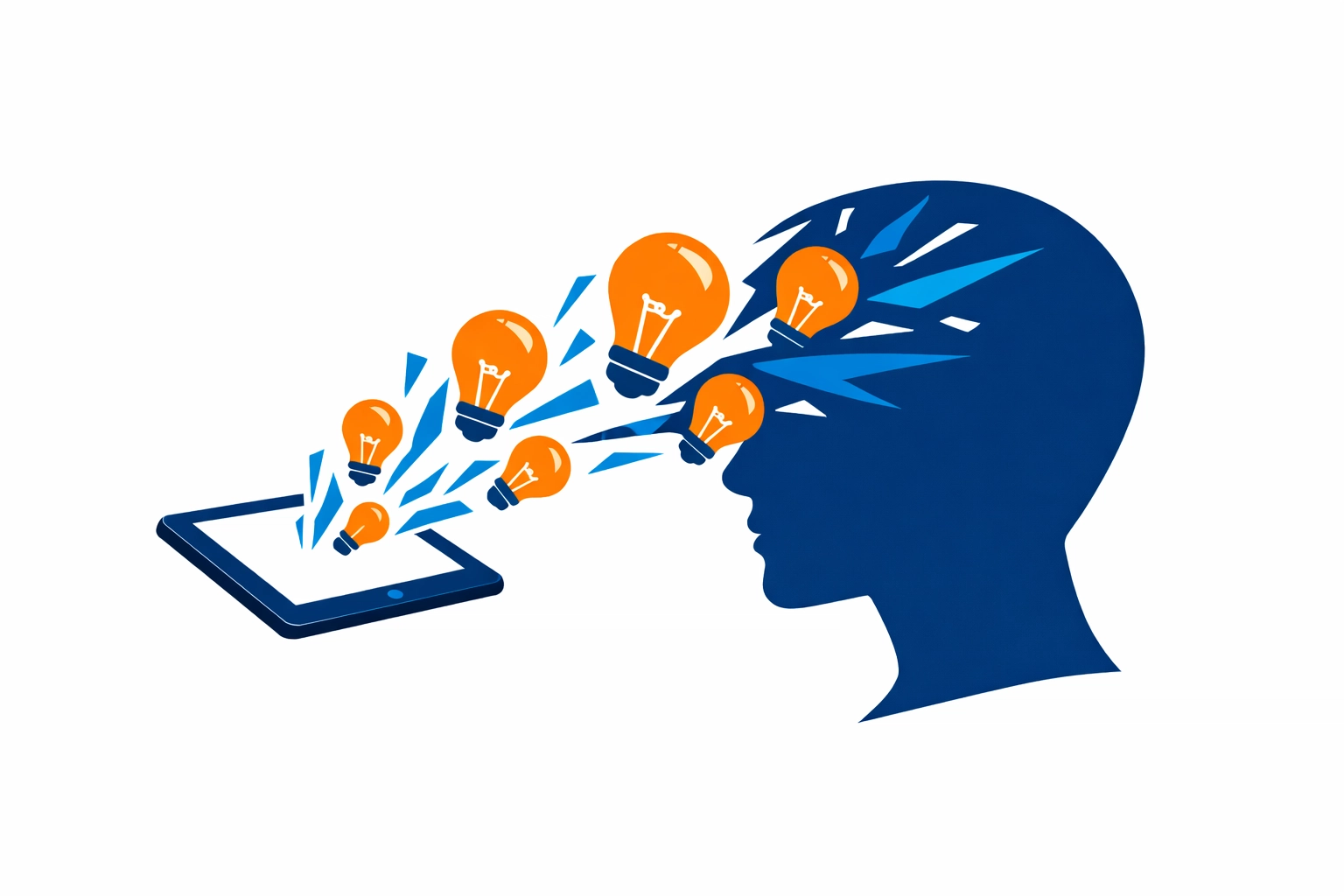
Alt text: Interactive learning moments in customer education for custom eLearning development.
Moving Beyond the “Information Dump”
Let’s talk about the “bringers of bad news.” In dysfunctional organizations, people hide mistakes. In dysfunctional customer education, we hide the “hard parts” of the software.
Modern custom eLearning development should cherish the “bad news”: the support tickets, the common drop-off points, and the features that nobody uses. These are your greatest opportunities for education.
Instead of a command-and-control manual, consider these agile strategies:
- Branching Scenarios: Let users make choices and see the consequences in a safe environment. This drives 2x higher skill transfer than linear modules.
- Microlearning: Deliver 3-minute “how-to” videos at the exact moment of need. (Think Netflix binge, but for productivity!)
- Social Learning: Foster communities where users can share their own “learning moments” with each other.
The goal is to move from a “push” model (forcing info on users) to a “pull” model (providing resources they want to find). As Nigel Paine notes, when people feel responsible for their own learning, engagement skyrockets.
The ROI of Curiosity-Driven Education
Why does this matter? What’s the real impact?
When you move away from command-and-control, you aren’t just making people “smarter.” You’re increasing the value of your business. Organizations that foster a genuine learning culture see higher engagement, better problem-solving, and more loyal customers.
By prioritizing curiosity over conformity in your customer education strategy, you turn your users into advocates. They don’t just use your product; they master it. And masters don’t churn.
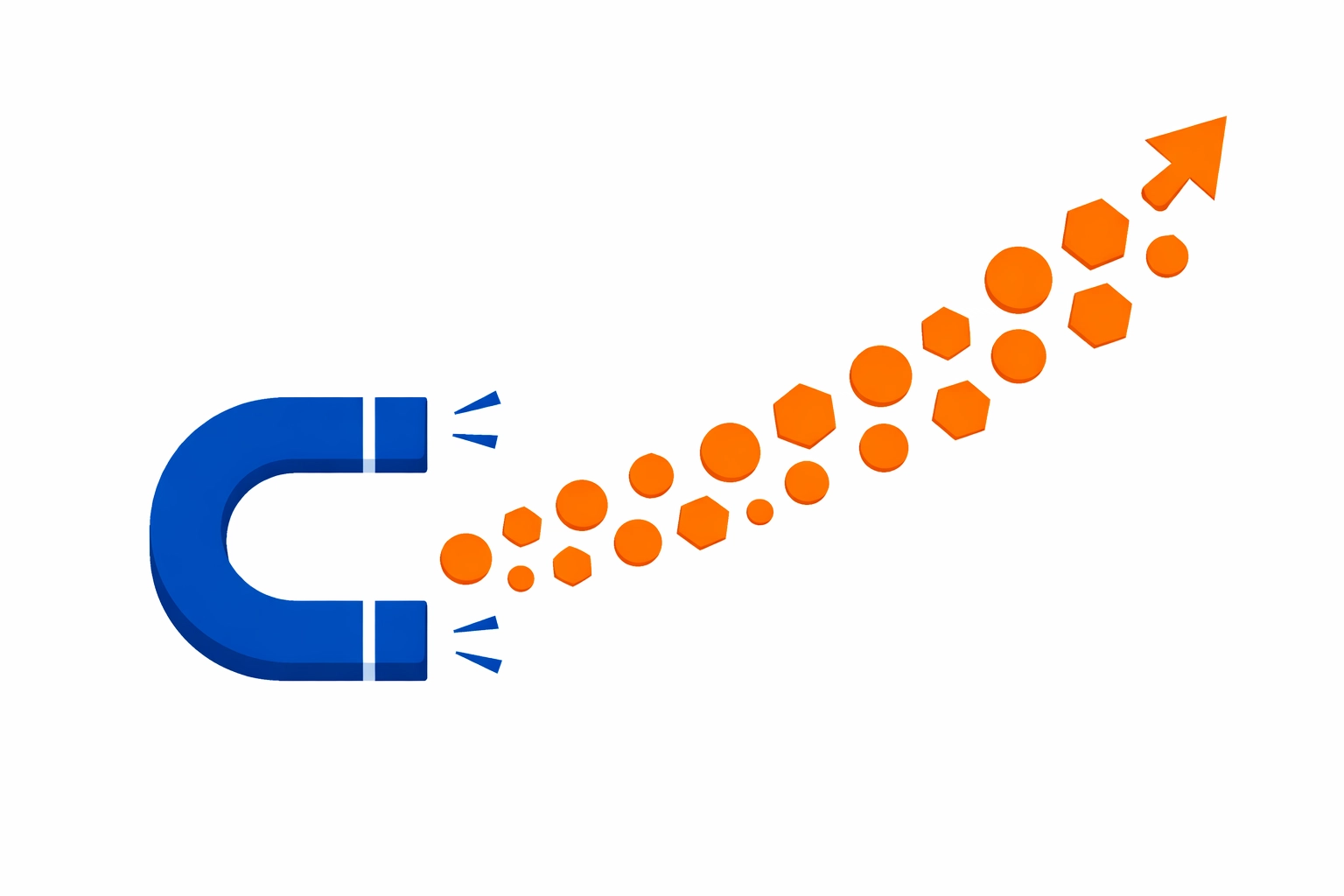
Alt text: A graph showing the relationship between customer education and user retention in custom eLearning development.
Don’t feel pressured to overhaul everything overnight. You don’t need a thousand modules to start. Start with one friction point. Identify one “bad news” area where users are struggling and build a custom learning solution around it.
Final Thoughts: Wire Together, Fire Together
At the end of the day, custom eLearning development is about more than just technology: it’s about human connection. Whether you’re using Gagne’s Nine Events of Instruction or the Successive Approximations Model (SAM), the goal remains the same: to create an environment where learning is collective and continuous.
Stop trying to control your customers. Start educating them in a way that sparks curiosity and solves real problems. When you build a culture of learning, you aren’t just selling software; you’re building a smarter, more connected community.
Ready to modernize your approach? Check out our complete guide to customer education or book some time with Lokesh to chat about how we can help you build custom eLearning that actually works.
Let’s stop commanding and start connecting. Your users (and your bottom line) will thank you!