Let's be real, most customer education programs are putting people to sleep faster than a boardroom presentation on compliance training. While companies pour millions into creating "engaging" content, their customers are clicking through modules like they're speed-running a video game they hate. Here's the thing: the most successful customer education programs aren't just teaching, they're playing. And the results? Mind-blowing engagement rates that turn passive learners into product champions.
Why Most Customer Education Programs Fail (Without Gamification)
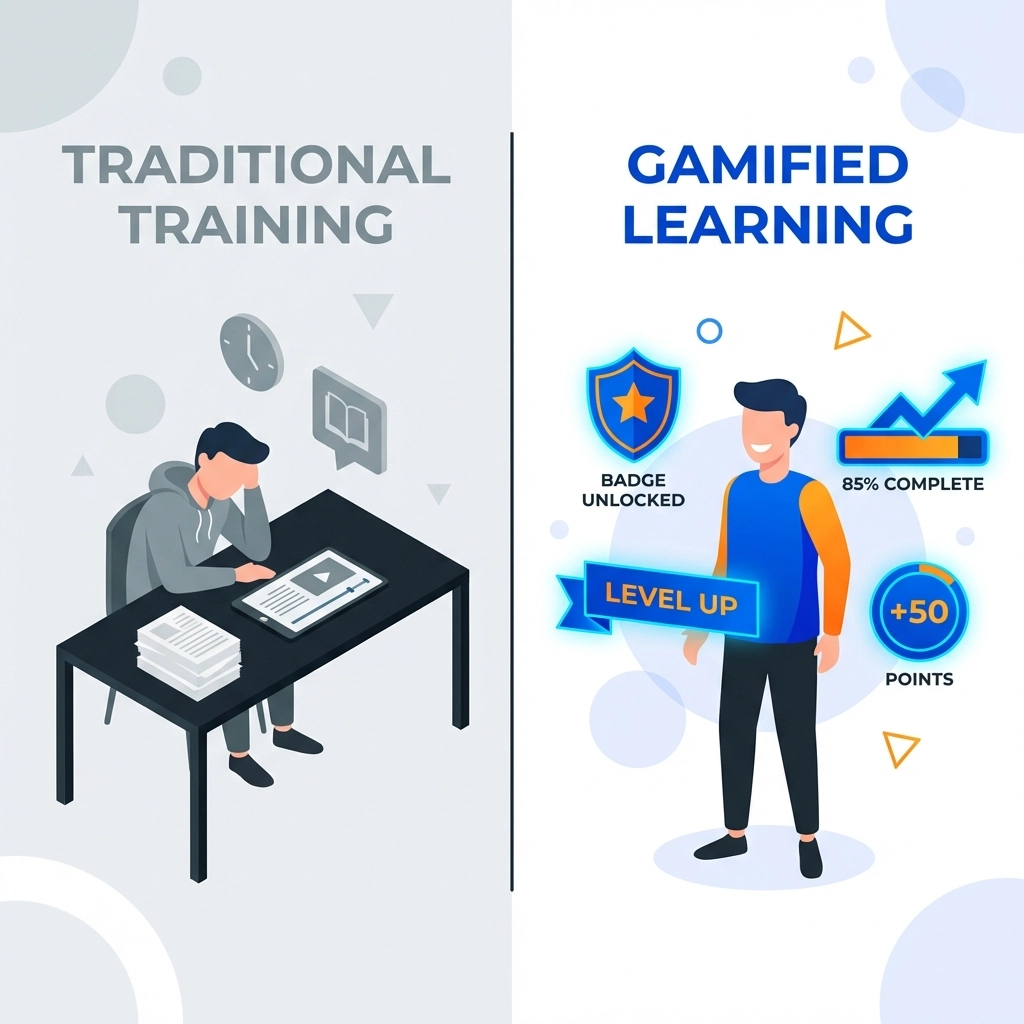
Traditional customer education feels like homework nobody asked for. You know the drill: endless video tutorials, static PDFs, and quiz questions that feel more like interrogation than learning (hello, "What did you just watch in the previous 47-minute video?").
The numbers don't lie. According to recent studies, 68% of customers abandon training programs before completion. Why? Because we're treating engaged, intelligent professionals like they're sitting in detention.
Here's what's really happening: Your customers are overwhelmed, time-pressed, and frankly, have better things to do than sit through another "comprehensive overview" of features they might never use. Traditional customer education programs fail because they ignore basic human psychology, we learn better when we're motivated, engaged, and yes, having a little fun.
The Psychology Behind Gamification in Customer Education
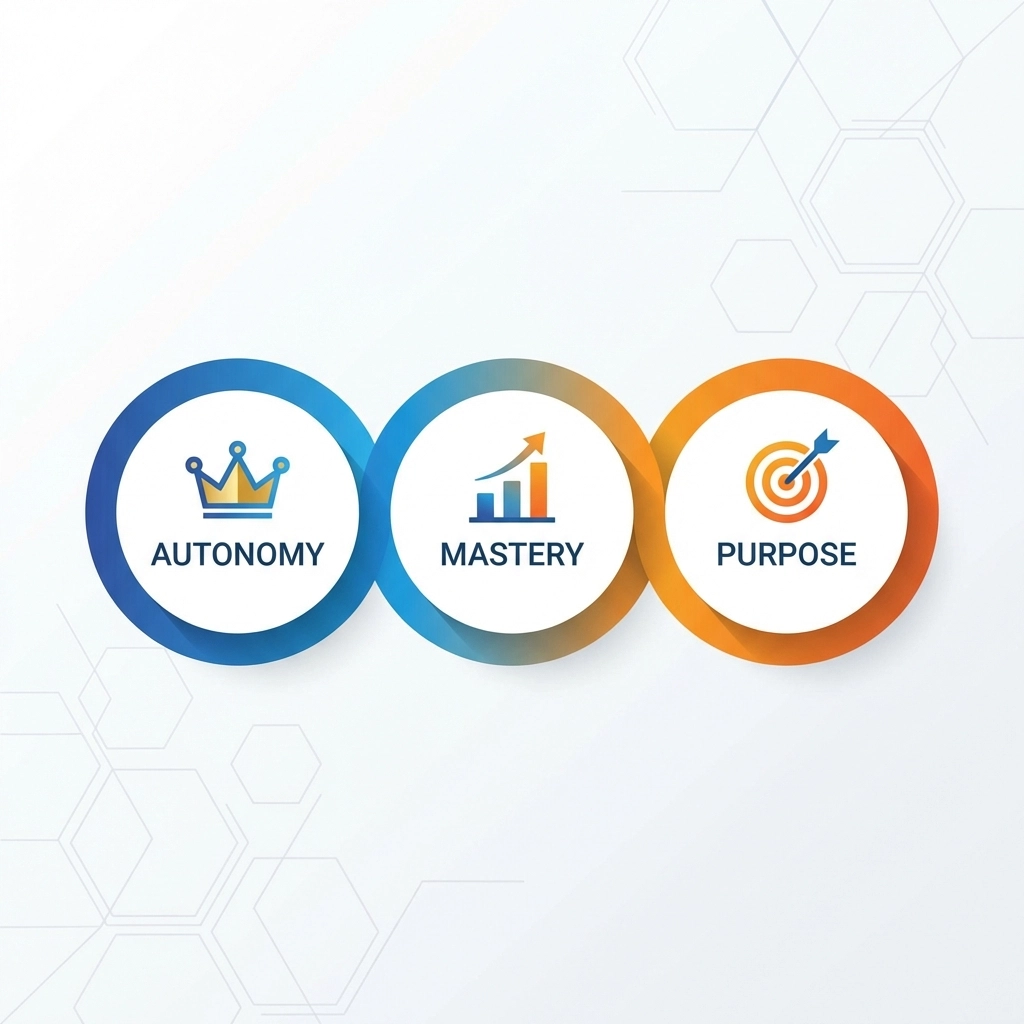
Game mechanics tap into three fundamental human drivers that make customer education irresistible: autonomy, mastery, and purpose. When Salesforce added gamification to their Trailhead platform, they didn't just create training, they created an ecosystem where learning feels like leveling up in your favorite RPG.
Autonomy means giving learners control over their journey. Instead of forcing everyone through the same linear path, gamified customer education lets users choose their own adventure. Want to master integrations before basic setup? Go for it. Prefer bite-sized challenges over marathon sessions? Perfect.
Mastery is about visible progress and achievement. Every badge earned, every level completed, every leaderboard position gained sends a dopamine hit that says "I'm getting better at this." It's the same psychology that keeps people playing mobile games for hours, except now it's driving product adoption.
Purpose connects learning to real outcomes. The best gamified customer education programs don't just teach features, they show how mastering these skills impacts business results, career growth, or team success.
5 Game-Changing Elements Every Customer Education Program Needs
1. Points and Progress Tracking
Forget completion percentages. Smart customer education platforms use point systems that reward not just finishing modules, but applying knowledge. HubSpot's Academy awards points for completing certifications, but bonus points for sharing certificates on LinkedIn or implementing strategies in real campaigns.
2. Achievement Badges That Actually Mean Something
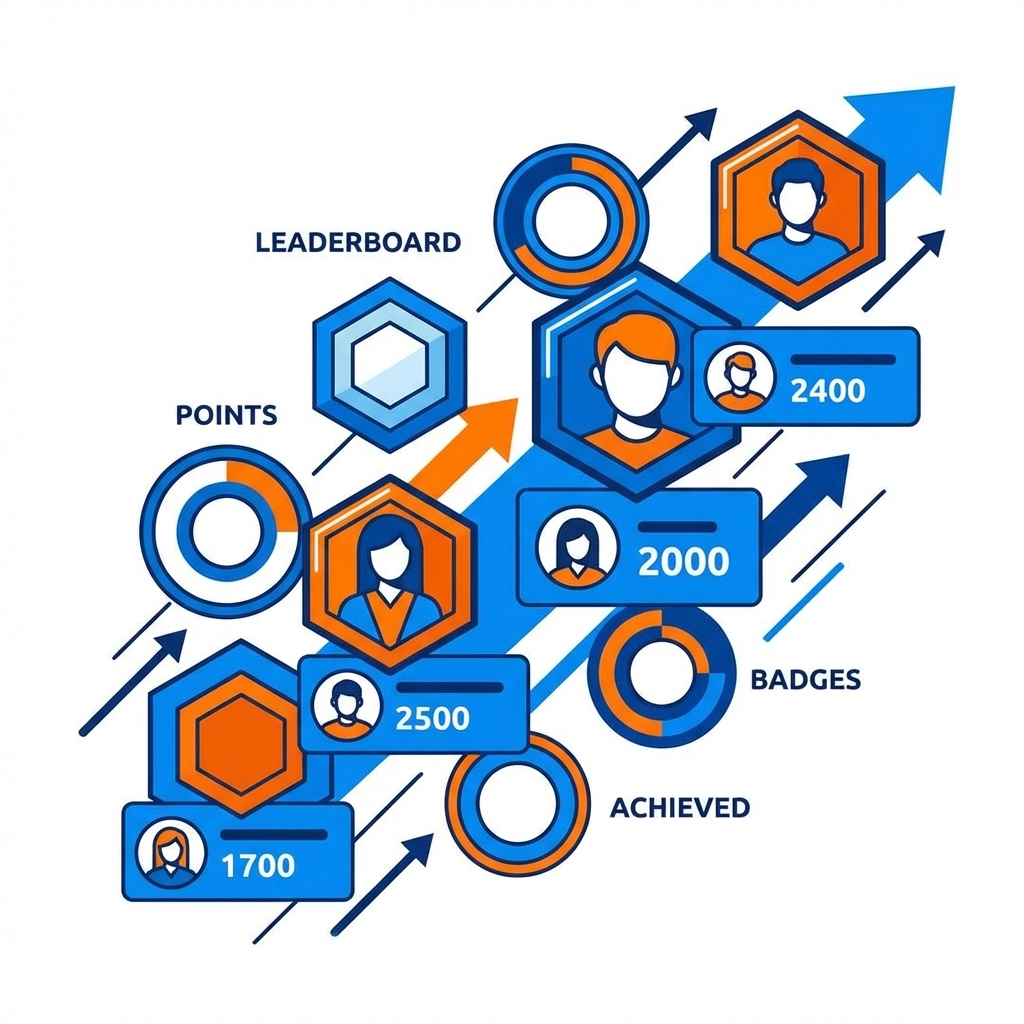
Generic "Module Complete" badges are participation trophies nobody wants. Effective gamification creates meaningful achievements tied to real competencies: "Integration Expert," "Power User," "Implementation Champion." These badges become social proof of expertise.
3. Competitive Elements (Done Right)
Leaderboards work when they motivate without intimidating. The secret? Multiple categories and time periods. Instead of one intimidating "Top Users" board, create weekly challenges, department competitions, and skill-based rankings where everyone can find their moment to shine.
4. Personalized Learning Paths
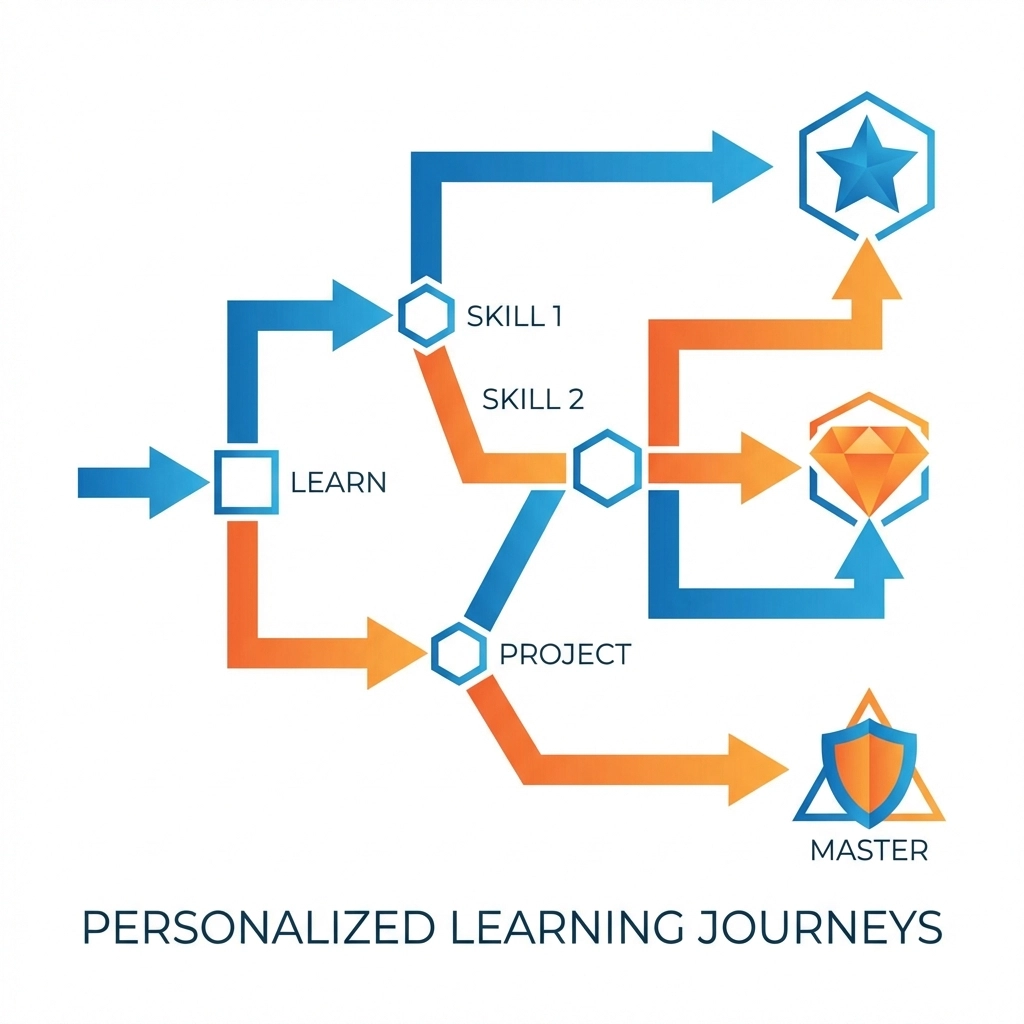
Netflix doesn't show everyone the same content, why should your customer education program? Use gamification to create personalized journeys based on role, industry, or experience level. Advanced users get complex challenges while beginners get confidence-building quick wins.
5. Real-World Application Challenges
The gap between training and implementation kills most customer education programs. Gamification bridges this with challenges that require applying knowledge to actual business scenarios. Think less "multiple choice quiz," more "optimize this campaign and show us your results."
Real-World Success Stories: Gamification That Actually Works in Customer Education
Duolingo's Streak Psychology: While not traditional customer education, Duolingo's approach offers powerful lessons. Their streak system, XP points, and competitive leagues have created the most engaged learning community in history. The key? Making daily engagement feel essential, not optional.
Salesforce Trailhead: This is the gold standard of gamified customer education. Users earn points, badges, and "Ranger" status by completing trails. The genius? They've made learning Salesforce feel like joining an exclusive club. Trailblazers (yes, that's what they call users) proudly display their badges on LinkedIn profiles and business cards.
Microsoft Learn: Microsoft transformed dry technical documentation into adventure-style learning paths. Users progress through modules like levels in a game, earn achievement badges, and can showcase their learning journey publicly. The result? 40% higher course completion rates compared to traditional training materials.
The common thread? These programs don't just add game elements: they fundamentally redesign the learning experience around engagement and achievement.
Building Your Gamified Customer Education Strategy
Start With Clear Objectives
Don't gamify for the sake of gamifying. Define what success looks like: faster time-to-value, higher feature adoption, reduced support tickets, or increased customer satisfaction. Your game mechanics should drive these specific outcomes.
Map The Customer Journey
Identify critical learning moments in your customer lifecycle. New user onboarding? Perfect for achievement badges. Advanced feature adoption? Great for challenges and leaderboards. Customer expansion? Ideal for mastery-based certifications.
Design Progressive Difficulty
Just like great video games, effective customer education programs start easy and gradually increase complexity. New users need quick wins and confidence boosters. Power users need advanced challenges that showcase expertise.
Create Social Elements
Learning is more engaging when it's social. Build community features where users can share achievements, ask questions, and celebrate milestones together. Slack has mastered this with their certification program community.
Reward Real Outcomes, Not Just Participation
Points for completing modules are fine, but bonus rewards for implementation create lasting engagement. Track metrics like "applied three techniques from the advanced workflows course" or "achieved 25% improvement in campaign performance after certification."
Measuring Success: Metrics That Matter in Customer Education
Completion rates are vanity metrics. Here's what actually matters in gamified customer education programs:
Engagement Quality: Time spent actively interacting with content vs. passive consumption. Gamified programs typically see 3x higher active engagement rates.
Knowledge Retention: Test understanding weeks or months after completion. Games create memorable experiences that stick: the best programs see 65% better long-term retention.
Behavior Change: Are users actually applying what they learned? Track feature adoption, support ticket reduction, and user success metrics post-training.
Community Growth: Active participation in forums, user groups, and peer-to-peer learning. Gamified customer education programs often become self-sustaining communities.
Business Impact: The ultimate measure: are educated customers more successful, loyal, and likely to expand their use of your product?
The Implementation Reality Check
Here's some real talk: gamification isn't a magic bullet. Done poorly, it feels condescending and gimmicky. Done well, it transforms how customers engage with your product and brand.
The most successful implementations start small and iterate. Pick one element: maybe achievement badges or a simple point system: test it with a small group, measure results, and expand from there.
Don't try to build the next Trailhead overnight. Focus on making your existing customer education content more engaging and interactive. Even simple additions like progress bars, completion celebrations, and peer recognition can dramatically improve engagement.
Your customers want to be successful with your product. They want to feel confident, competent, and connected to a community of users. Gamification doesn't manipulate these desires: it fulfills them in powerful, memorable ways.
The secret isn't hiding these techniques from customers. The secret is using them so effectively that learning becomes the highlight of their product experience, not a necessary evil they endure.
Ready to transform your customer education program? The game starts now. For more insights on building effective customer education strategies, explore our comprehensive resources and case studies that show real-world implementation success.