Let’s be real: effective SaaS training is the only thing standing between your customer and that dreaded “Cancel Subscription” button.
You’ve spent months (and probably a small fortune) on customer acquisition. You’ve got the shiny UI, the revolutionary features, and a sales team that could sell ice to a polar bear. But once the contract is signed, what happens? If your users are left to figure out your complex platform on their own, they aren’t going to “explore”; they’re going to leave.
Here’s the deal: in the world of software-as-a-service, your product is only as good as your customer’s ability to use it. If they don’t see value within the first thirty days, they’re gone. This is where a strategic approach to SaaS training becomes your ultimate weapon for retention.
The Churn Monster: Why Customers Really Leave without Relevant and Updated SaaS Training
Let’s talk about the elephant in the room. Why do customers churn? Most founders think it’s about price or a missing feature. But more often than not, it’s because of friction. (You know, that feeling when you open a new tool and realize you need a PhD just to find the dashboard.)
When users feel lost, they feel stupid. And people don’t pay monthly fees to feel stupid.
By implementing structured SaaS training, you remove that friction. You aren’t just teaching them which buttons to click; you’re teaching them how to succeed in their jobs using your tool. When a customer feels like a “pro” within your ecosystem, the thought of switching to a competitor and having to learn a whole new system from scratch becomes a massive headache they’d rather avoid. That, my friends, is called “stickiness.”
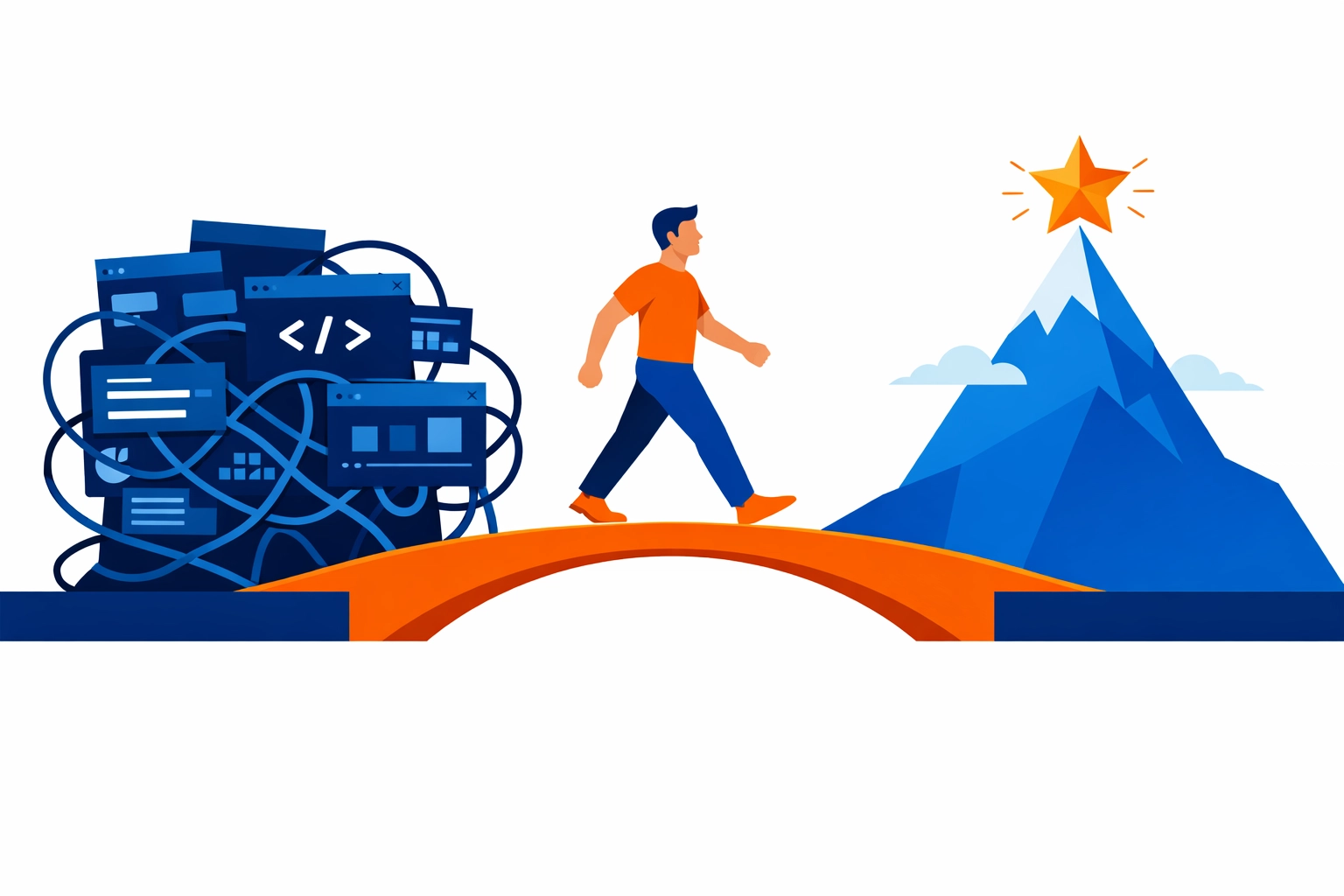
Alt-text: A conceptual illustration of SaaS training bridging the gap between a complex software interface and a happy, successful user.
The Impact SaaS Training Has on the Bottom Line: It’s All About the Benjamins
Here’s the reality: customer education isn’t a “nice-to-have” cost center; it’s a revenue engine.
Research shows that companies investing in comprehensive SaaS training can increase Annual Recurring Revenue (ARR) by 11% or more. Why? Because educated customers don’t just stay; they expand. They discover those high-tier features that solve their bigger problems, leading to natural upsells and cross-sells.
Think about it this way:
- Lower Support Costs: (hello, endless Zendesk tickets!) A well-trained customer doesn’t need to ask “How do I reset my password?” or “Where is the export button?” every five minutes. They find the answers in your mastering customer education portal.
- Higher Profit Margins: Companies with strong training programs enjoy a 24% higher profit margin.
- Increased LTV: The longer a customer stays (because they actually know how to use the product), the higher their Lifetime Value (LTV).
If you’re curious about the specific numbers for your business, you should definitely check out our ROI calculator for training investment. It’s a game-changer for proving to the C-suite that training pays for itself.
Moving Beyond the PDF: The Power of Custom SaaS Training
Now, don’t get it twisted. When we talk about SaaS training, we aren’t talking about a dusty 50-page PDF manual or a boring, hour-long Zoom recording of a developer droning on about API hooks. (Think Netflix binge, but not in a good way.)
To truly impact retention, your training needs to be engaging, interactive, and, dare we say, fun? This is where customer education instructional design comes into play. You need to meet your users where they are.
Here’s what effective training looks like in 2026:
- Micro-learning: Short, 2-minute videos that solve one specific problem.
- In-app Guidance: Learning that happens in the “flow of work” rather than in a separate classroom.
- Gamification: Giving users “gold stars” (or badges) for completing onboarding milestones.
By using custom eLearning development, you can tailor the experience to your specific user personas. A manager doesn’t need to know the same things as an end-user. Why force them through the same boring slide deck?

Alt-text: A modern dashboard showing SaaS training metrics like completion rates and product adoption scores.
The Support Ticket Trap (and How Training Sprung the Lock)
What’s the real impact of a “self-taught” user base? It’s a Support team that’s constantly underwater.
We see it all the time: a SaaS company scales rapidly, but its support volume scales even faster. Suddenly, your highly-paid engineers are answering basic “how-to” questions instead of building the next big feature.
Strategic SaaS training acts as a filter. It empowers users to solve their own problems before they ever reach for the “Contact Us” button. When users have access to a comprehensive customer education guide, your support team can transition from “firefighters” to strategic consultants.
What does that do for your brand? It makes you look like a powerhouse. It shows you care about the user experience beyond the point of sale.
Turning Users into Brand Advocates with Relevant, Just-in-Time SaaS Training
Let’s be honest, we all have that one piece of software we absolutely love because we “get” it. We’re the ones in the Slack groups telling everyone else, “Oh, you just need to use the ‘Smart Automator’ feature, it’ll save you hours!”
That person is a Brand Advocate. And you don’t get those by accident. You create them through SaaS training.
When a user masters your tool, they gain social capital within their own company. They become the “expert.” This makes your software indispensable to the organization. If that user leaves for a new job, guess what? They’re going to insist their new company buys your software, too. That’s organic growth that money can’t buy.
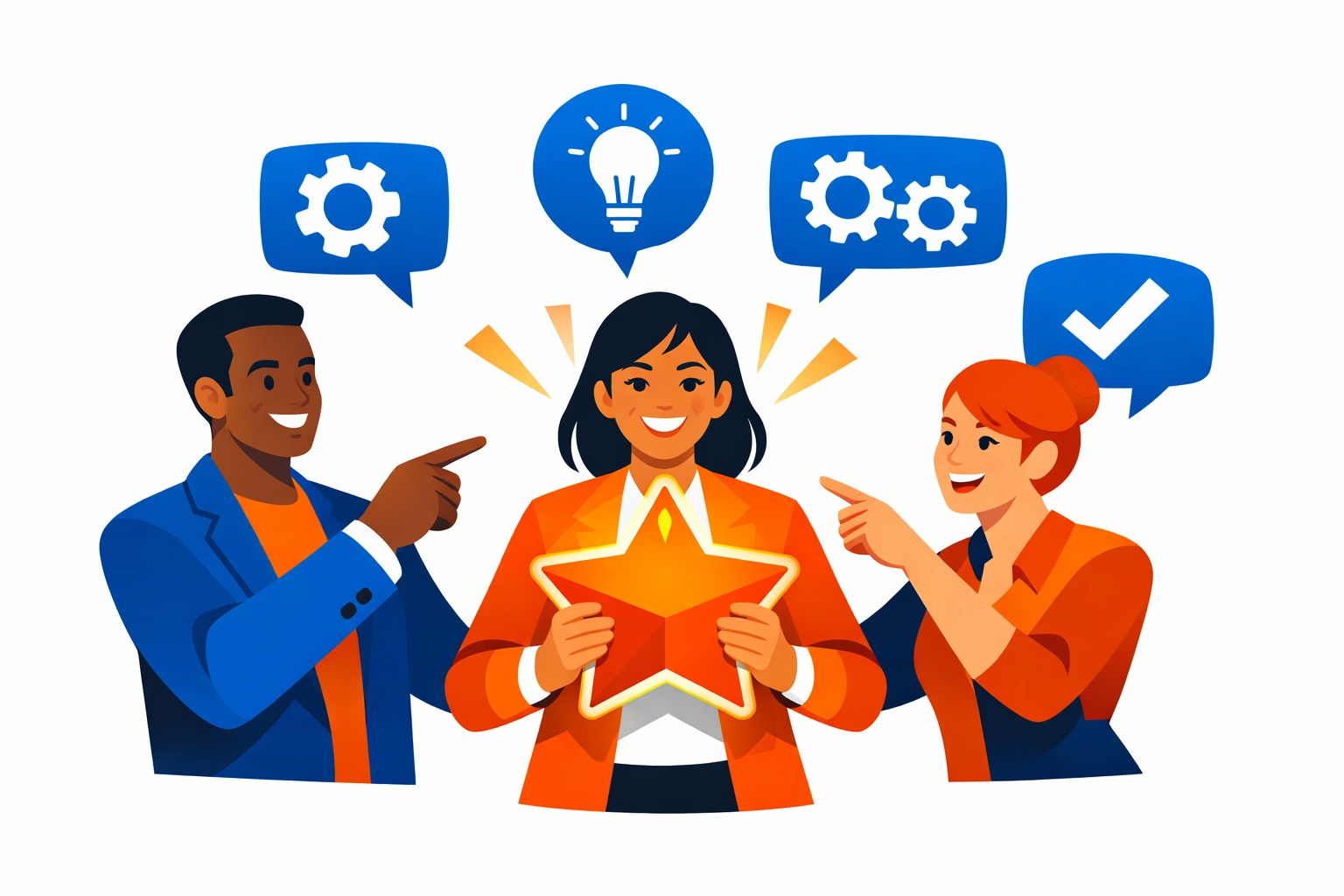
Alt-text: A group of professionals collaborating and sharing insights learned from a SaaS training program.
How to Measure Success (No Flying Blind!)
You can’t manage what you don’t measure. If you’re going to invest in SaaS training, you need to know it’s actually working.
Don’t feel pressured to track everything at once, but you should definitely start with the big ones. Are people who finish the training staying longer? Are they using more features? Use our customer education metrics guide to set up your tracking.
Pro tip: Look for the correlation between “Course Completion” and “Feature Adoption.” If your training covers a specific feature but no one uses it afterward, it’s time to brainstorm new course strategies.
Ready to Kill the Churn Monster?
Here’s the reality: the SaaS market is more crowded than ever. You can’t rely on “good enough” onboarding anymore. To win in 2026, you need to treat your SaaS training as a core part of your product experience.
At Check N Click, we specialize in helping SaaS companies turn their complex platforms into easy-to-digest, high-impact learning experiences. We don’t just build courses; we build retention engines.
Don’t let your hard-won customers slip through the cracks because they couldn’t find the “Aha!” moment. Book some time with Lokesh to talk about how we can transform your customer education from a “maybe later” to your biggest competitive advantage.
Start today( your bottom line will thank you.)