Your custom eLearning isn’t delivering results, and you’re not alone. After 13+ years of developing learning solutions for Fortune 500 companies, we’ve seen the same problems surface again and again. The good news? Every single one of them is fixable.
Here’s the thing: custom eLearning development is a significant investment. When it falls flat, it’s not just frustrating; it’s expensive. Low completion rates, disengaged learners, and training that doesn’t actually change behavior? That’s money down the drain.
Let’s dig into the 10 most common reasons your custom eLearning is underperforming, and exactly how to turn things around.
1. Your Content Wasn’t Ready for Prime Time
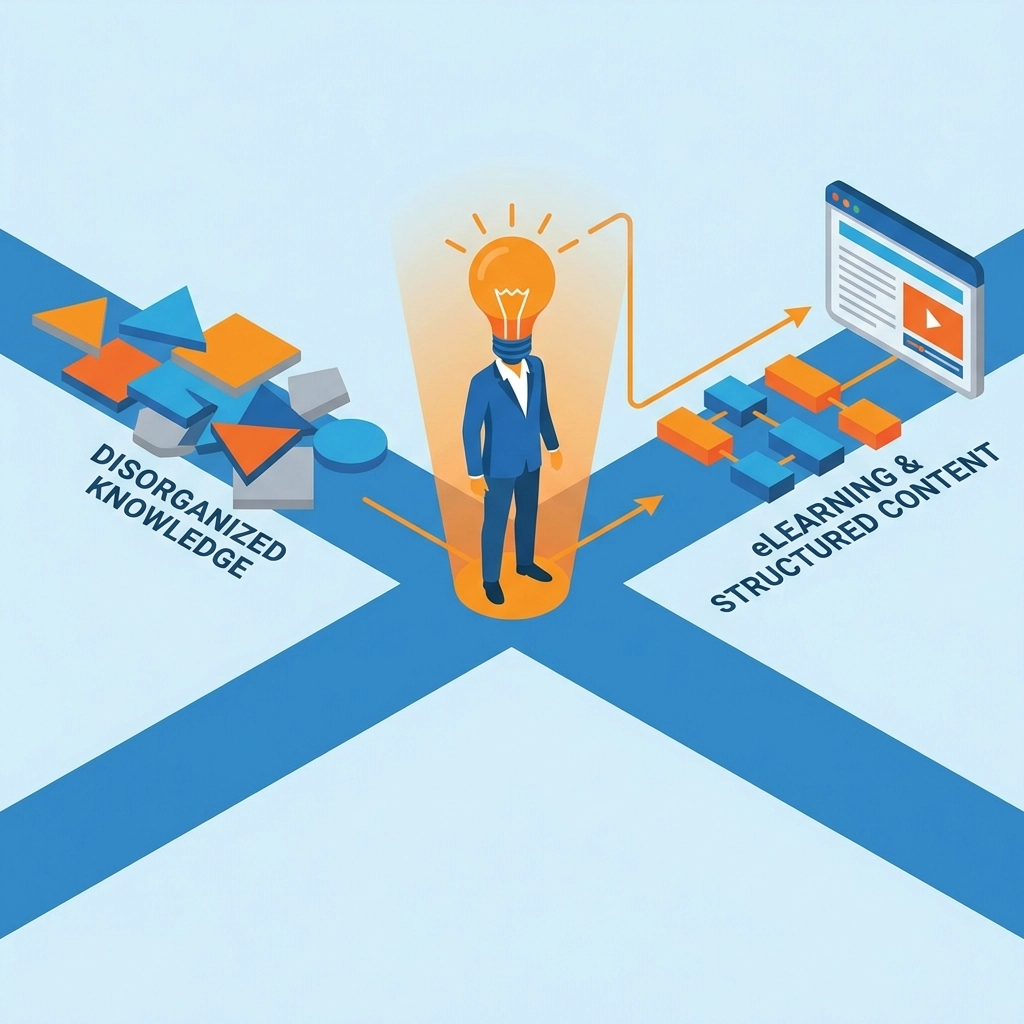
Let’s be real. Many organizations jump into custom eLearning development with content that’s misaligned with learning objectives, poorly organized, or straight-up outdated. You can’t build a great course on a shaky foundation.
The fix: Before any development begins, conduct a thorough content inventory. Ask yourself:
- Does this content directly address our learning objectives?
- Is it organized with a clear learning flow?
- When was it last updated for accuracy?
Think of it like renovating a house; you need to know what you’re working with before you start knocking down walls.
2. You Underestimated Technology Readiness
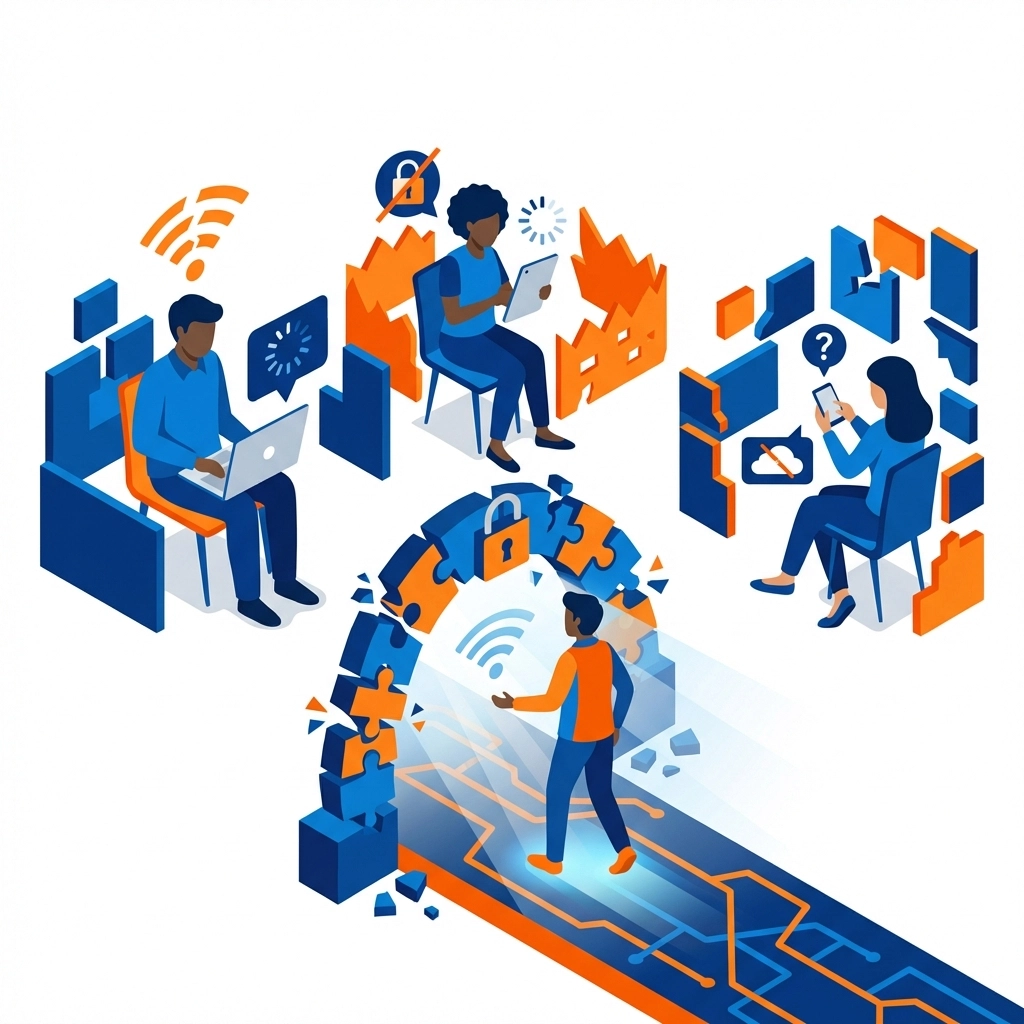
Here’s a scenario we see constantly: a beautifully designed custom eLearning course launches, and half the learners can’t access it properly. Maybe they’re on slow internet connections. Maybe they’ve never used an LMS before. Either way, your training hits a wall before it even starts.
The fix: Run a technology readiness assessment of your target audience. Consider:
- Do learners have reliable internet access?
- Are they comfortable navigating eLearning platforms?
- Do they need downloadable modules for offline access?
Sometimes, the simplest solution is to add a quick “how to use this platform” intro module. Don’t assume everyone’s tech-savvy.
3. Stakeholders Weren’t Actually On Board
We get it, you secured budget approval and thought everyone was aligned. But here’s the reality: if key decision-makers aren’t genuinely invested in the initiative, support evaporates the moment things get complicated.
The fix: Bring stakeholders into the conversation early and often. Communicate your eLearning strategy openly, address concerns before they become roadblocks, and demonstrate how the training aligns with business objectives.
Pro tip: Show them the ROI potential. Nothing builds buy-in faster than connecting training outcomes to business results. Check out our guide on crafting a winning business case for customer education for more on this.
4. You Skipped the Learner Analysis
What’s the point of custom eLearning if it doesn’t actually fit your learners? Too many organizations build courses based on assumptions rather than actual data about who’s taking them.
The fix: Before development, assess your learners’:
- Baseline knowledge (are they beginners or experts?)
- Technological comfort level
- Preferred learning styles
- Time constraints
Then design accordingly. Offer different pathways based on expertise. Provide additional resources for beginners. Make it flexible. Your learners aren’t one-size-fits-all, and your training shouldn’t be either.
5. Your SMEs Weren’t Set Up for Success
Subject matter experts are goldmines of knowledge, but translating that expertise into engaging eLearning content? That’s a different skill entirely. When SME collaboration falls apart, so does your course quality.
The fix: Assess SME readiness before you start:
- Do they have the time allocated for this project?
- Are they comfortable with the technology involved?
- Does their management actually support their involvement?
Have honest conversations upfront. A stressed, overcommitted SME will bottleneck your entire development timeline.
6. Your Custom eLearning Content Is Boring (Sorry, Not Sorry)
Let’s talk about the elephant in the room. Simply uploading your existing training materials into an eLearning platform isn’t custom eLearning development; it’s a PDF with extra steps. Text-heavy slides, outdated information, and confusing layouts kill engagement faster than anything else.
The fix: Adapt content specifically for the eLearning format:
- Update all information for accuracy
- Balance text with visuals, interactions, and multimedia
- Ensure the presentation enhances (not overshadows) the content
This is where learning experience design becomes critical. It’s not just about what you teach, it’s about how the learning feels.
7. Training Isn’t Actually Changing Behavior
Here’s the uncomfortable truth: beautifully designed training is worthless if learners don’t apply it. If your custom eLearning isn’t connecting to real behavioral outcomes, completion means nothing.
The fix: Design with behavior change as the end goal, not just knowledge transfer. Use needs analysis, interviews, focus groups, and surveys to identify the specific behaviors learners need to develop.
Then build backwards from there. Every module, every interaction, every assessment should ladder up to measurable behavioral outcomes.
8. Your Custom eLearning Doesn’t Align with Business Goals
Training loses effectiveness when it floats in a vacuum, disconnected from what the business actually needs. If leadership can’t see how your eLearning supports organizational objectives, support will dry up fast.
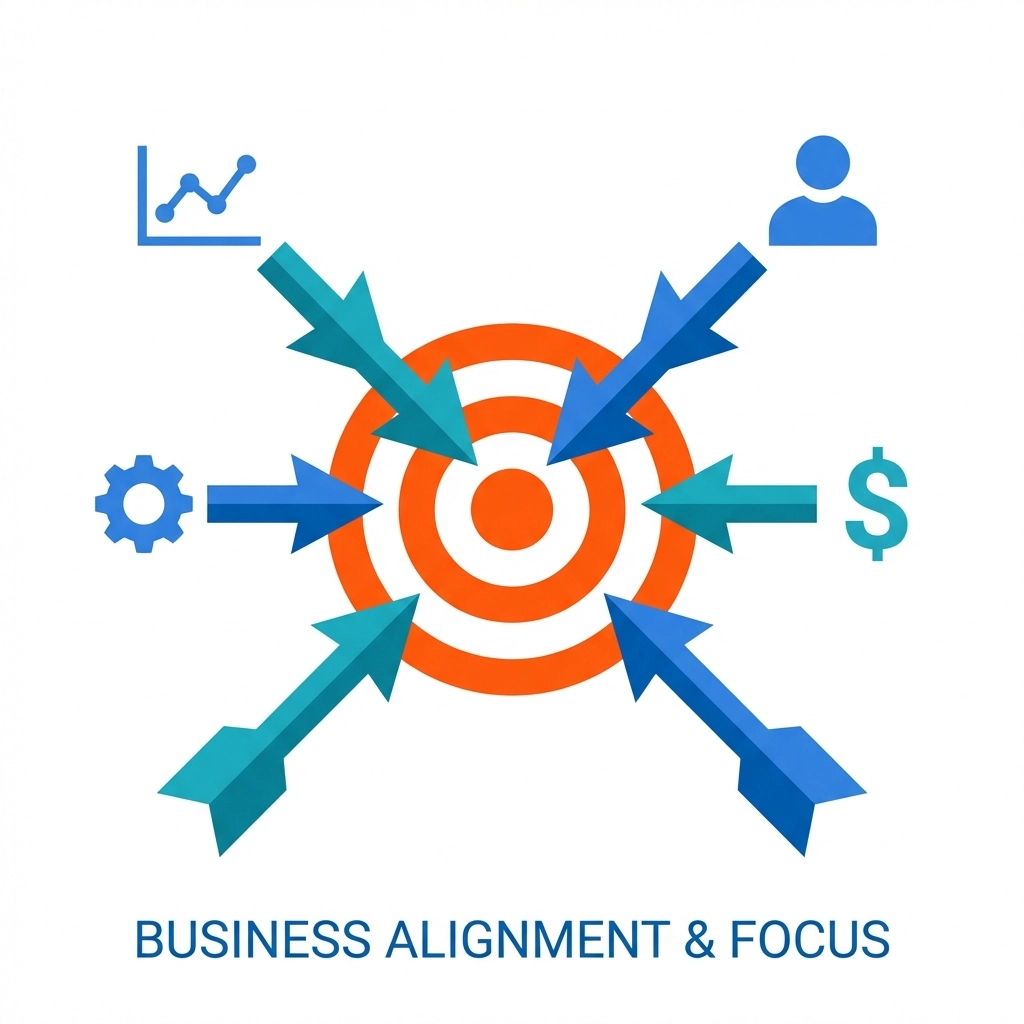
The fix: Keep learning locked on business objectives from day one. What skills does your organization need? What performance gaps are you trying to close? What metrics matter to leadership?
Build those answers into your instructional design process. Need a framework? Our interactive ADDIE guide walks you through aligning training with business needs step by step.
9. Course Design Is Killing Engagement
Poor design shows up in a lot of ways:
- Content that feels irrelevant to learners’ actual roles
- Limited interactivity (hello, endless click-next slides)
- Accessibility issues across devices
- Assessments that don’t measure real understanding
- No integration with existing systems
Any of these sound familiar? (We see you!)
The fix: Get specific about what good design looks like:
- Create role-specific content that feels immediately relevant
- Build in meaningful interactions: not just buttons to click
- Test accessibility across devices and user populations
- Design assessments that measure application, not just recall
- Ensure seamless integration with your LMS and other tools
This is exactly the kind of thing we obsess over in our case studies.
10. Low Completion Rates Are Tanking Your ROI
Low completion is often a symptom, not the disease. Learners abandon courses because of poor design, lack of support, unfamiliarity with technology, or simply low motivation. But whatever the cause, incomplete training = incomplete learning = zero ROI.
The fix: Attack this from multiple angles:
- Provide robust technical support and comprehensive FAQs
- Monitor course analytics actively to spot where learners drop off
- Set clear expectations for technology requirements upfront
- Make sure instructors or support teams are available for questions
- Consider microlearning approaches to reduce overwhelm
Don’t just track completion: track where learners disengage, and fix those specific friction points.
The Real Secret? Plan Before You Build
Here’s the thing we tell every client: the biggest custom eLearning failures happen before development even begins. Organizations dive into course creation without adequate planning, and problems compound from there.
Invest time upfront to:
- Audit your content readiness
- Assess learner and technology readiness
- Secure genuine stakeholder buy-in
- Align training with business objectives
- Build a detailed design strategy
It’s not glamorous work, but it’s the difference between custom eLearning that transforms performance and custom eLearning that collects digital dust.
Ready to Fix Your Custom eLearning?
If any of these issues hit close to home, you’re not alone, and you’re definitely not stuck. With the right approach, every single one of these problems is solvable.
At Check N Click, we’ve spent 13+ years helping Fortune 500 companies build custom eLearning that actually works. We know where things go wrong and how to fix them.
Want to see what’s possible? Explore our case studies or reach out to our team to start a conversation about your training challenges.
Let’s build something that works.
This post is part of our ongoing series on customer education and custom eLearning development. For more insights, check out The Complete Guide to Customer Education.